Home / Articles
How Stem Cell Therapy Changes Treatment for Bulging and Herniated Discs
Home / Articles
How Stem Cell Therapy Changes Treatment for Bulging and Herniated Discs
If you’ve ever experienced the sharp, radiating pain of a herniated or bulging disc, you know how life-altering it can be. It can prevent you from enjoying simple activities, like taking a walk or even sitting comfortably. While traditional treatments like medications, physical therapy, and injections may provide temporary relief, they don’t always address the root cause of the problem — the damaged discs themselves.
Before we delve into stem cell therapy, let’s break down what happens in the spine when you suffer from a bulging or herniated disc.
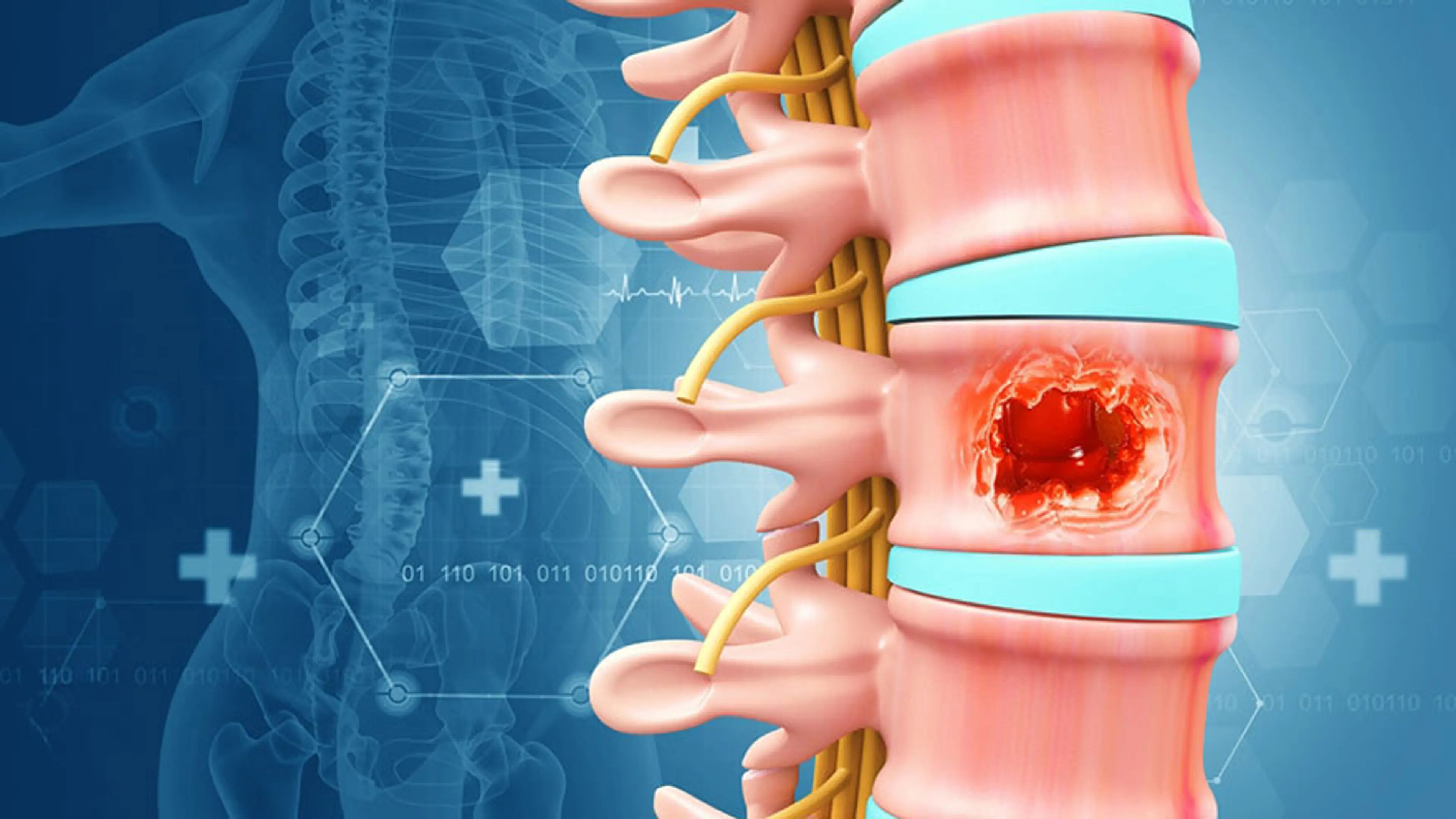
Your spine is made up of 33 vertebrae, cushioned by soft, gel-like discs that act as shock absorbers between the bones. Over time, these discs can undergo wear and tear due to aging, repetitive stress, or injury. When the disc bulges or herniates, it means the disc’s outer layer, called the annulus, weakens, and the inner gel-like material (nucleus pulposus) either protrudes outwards or ruptures entirely.
The symptoms can range from mild discomfort to severe, disabling pain. Traditional treatments often involve pain management (such as anti-inflammatory medications, physical therapy, or injections), but they don’t always address the root cause. This is where stem cell therapy comes into play.
For many, the first course of treatment for a bulging or herniated disc is pain relief through non-surgical options. While these can be effective in the short term, they don't address the long-term healing of the damaged discs.
For patients with severe or chronic pain, surgery is often considered as a last resort. Procedures like a discectomy or spinal fusion are invasive and can have lengthy recovery times. Plus, they don’t always result in complete pain relief and may lead to complications or a weakened spine in the long run.
Stem cell therapy offers a compelling alternative. Stem cells have the remarkable ability to regenerate damaged tissues and promote healing. When it comes to spinal disc issues, stem cells can target the damaged areas of the disc and stimulate the body’s natural healing processes.
Stem cells are the building blocks of the body. Unlike other cells, they have the ability to transform into various types of cells, including cartilage, bone, and nerve tissue. In the case of bulging or herniated discs, the goal of stem cell therapy is to introduce healthy, regenerative cells into the damaged disc, where they can help repair and regenerate the tissues.
Here’s how the process typically works:
At Seoul Yes Hospital, we specialize in advanced regenerative treatments for spine and joint conditions. Our patients often come to us seeking non-surgical alternatives for chronic back pain due to bulging or herniated discs. Through our work with stem cell therapy, we’ve seen significant improvements in our patients' conditions, helping many avoid the need for invasive surgeries and long-term pain management.
Our approach to stem cell therapy is personalized. We evaluate each patient’s condition carefully, selecting the most appropriate type of stem cell treatment for their specific needs. From the moment patients walk in, we ensure they feel comfortable and informed every step of the way. This level of care and attention makes a world of difference in the outcome of the treatment.
If you’re suffering from a bulging or herniated disc and have tried other treatments without relief, stem cell therapy may be worth considering. It's particularly suitable for those who wish to avoid surgery, are looking for a more natural healing process, or are simply seeking an alternative to pain medications.
However, it’s important to understand that not every patient is an ideal candidate for stem cell therapy. A thorough evaluation by a qualified specialist is necessary to determine whether this treatment is right for you. At Seoul Yes Hospital, we always provide detailed consultations to help our patients make informed decisions based on their unique medical history and condition.
The field of regenerative medicine is continually evolving, and stem cell therapy is emerging as a game-changer for treating bulging and herniated discs. This innovative, non-invasive therapy offers hope to those struggling with chronic back pain, providing the possibility of natural healing and long-term relief without the need for surgery.
If you’ve been living with the discomfort and limitations of bulging or herniated discs, consider exploring stem cell therapy as a treatment option. The benefits it offers—minimal invasiveness, natural regeneration, and the potential for long-lasting relief—make it an exciting alternative to traditional approaches.
At Seoul Yes Hospital, we are proud to be at the forefront of regenerative care, helping patients regain their quality of life through innovative treatments like stem cell therapy. If you're ready to take the next step toward healing, we’re here to guide you every step of the way.