Home / Articles
How Stem Cells Are Healing Sports Injuries and Restoring Mobility
Home / Articles
How Stem Cells Are Healing Sports Injuries and Restoring Mobility
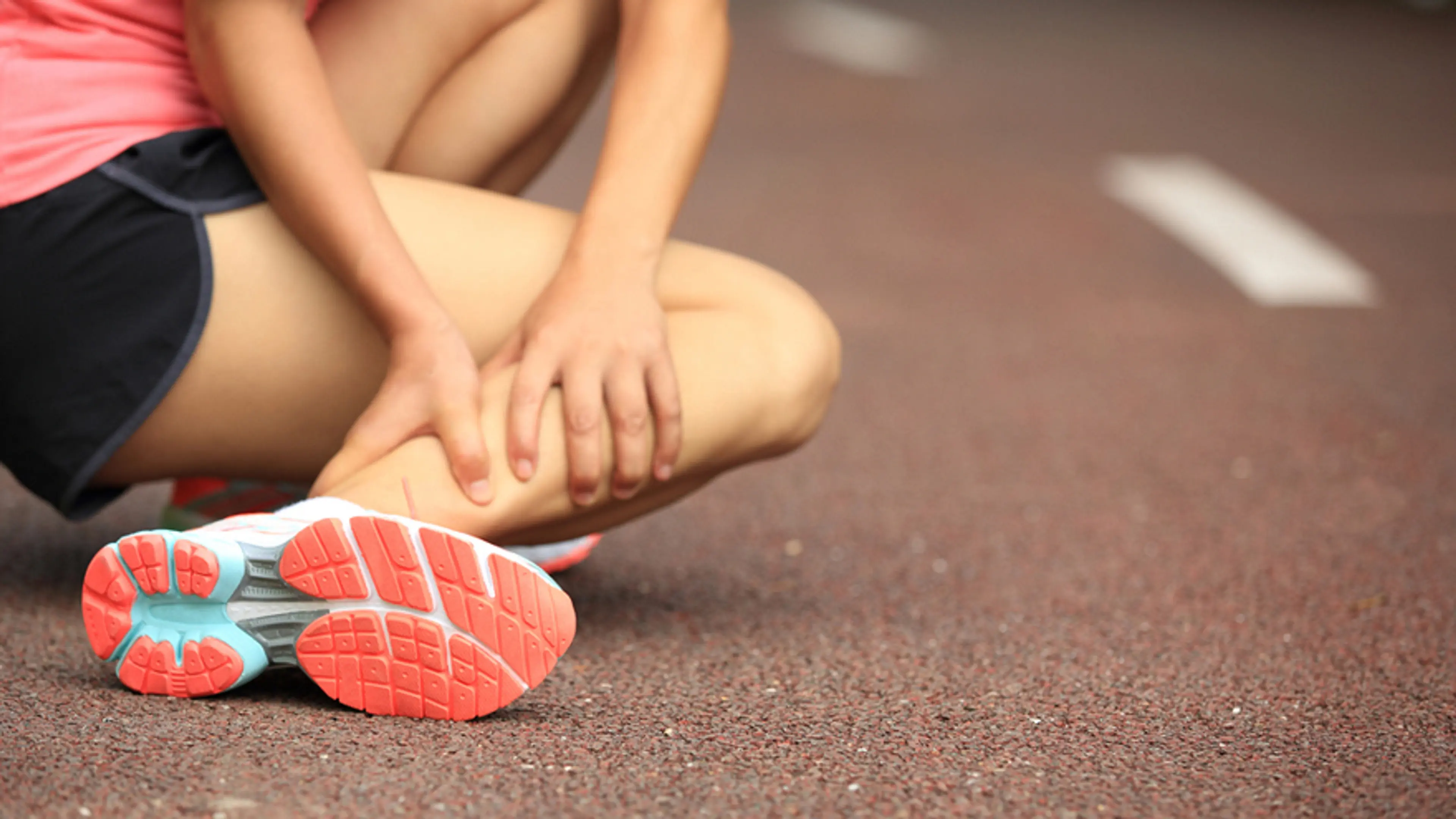
If you’ve been sidelined by a nagging sports injury — the kind that just won’t quit — you’re not alone. Whether it’s a torn tendon, cartilage wear in the knee, or persistent shoulder pain after a marathon, these injuries don’t just hurt your body — they hurt your lifestyle, your routine, and often your identity.
At Seoul Yes Hospital in Suji‑gu, Yongin‑si, we’ve seen firsthand how targeted stem cell treatments can accelerate healing, restore mobility, and keep patients moving with less downtime and fewer complications. But this isn’t just hype — there’s real biology behind what’s happening.
To be honest, most people have heard the term “stem cells,” but few truly understand what makes them special.
Two types matter most in sports injury treatment:
Here’s what we often see in real patients: someone who has tried everything, followed all the protocols, and still can’t sprint, twist, or even walk without pain.
At its core, stem cell therapy for sports injuries does two things:
Here’s how the process typically unfolds at a regenerative medicine center like Seoul Yes Hospital:
Most regenerative procedures use the patient’s own stem cells — usually from:
This avoids immune rejection and makes the procedure safer and more natural.
The harvested tissue is processed to concentrate the stem cells and their support cells. These are the cells that will do the real healing work.
Under imaging guidance (like ultrasound or fluoroscopy), the concentrated stem cells are precisely injected into the injured area — whether it’s a tendon, ligament, meniscus, or joint surface.
The injected cells don’t magically turn instantly into new tissue. Rather, they:
Over the next weeks to months, the biologic environment improves, inflammation subsides, and functional tissue begins to take shape.
Stem cells aren’t a panacea, but clinical evidence and real‑world experience show promising outcomes in many sports‑related injuries:
Tendons have poor blood supply, which means they heal slowly. Stem cells improve vascular signaling — encouraging healing instead of scar tissue formation.
Cartilage doesn’t regenerate well on its own. Stem cells help create a more favorable environment for cartilage repair and can slow degenerative changes.
Ligaments often heal with thick scar tissue that doesn’t function well. Stem cells support more organized tissue growth, reducing instability.
For high‑performance athletes, minimizing scar tissue and restoring muscle elasticity is critical. Stem cells aid in more complete muscle regeneration.
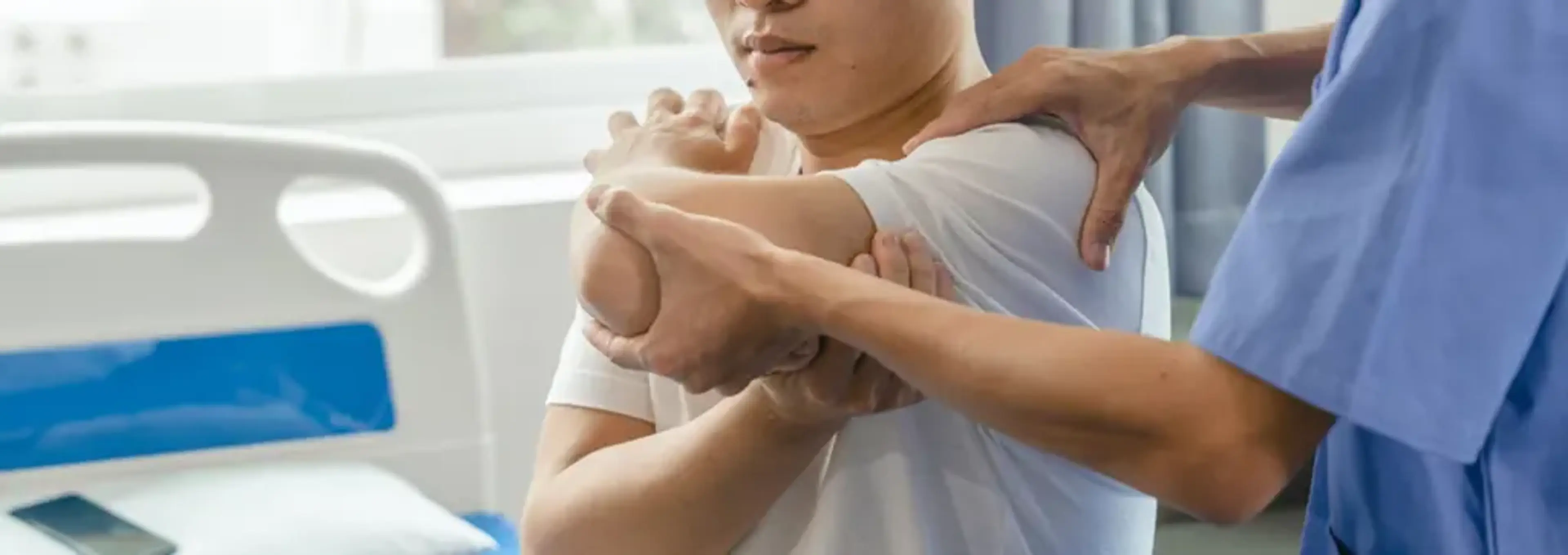
Whether it’s the knee, hip, or shoulder, stem cells can reduce pain and improve range of motion, especially when combined with guided rehabilitation.
Here’s what many of our patients at Seoul Yes Hospital have said:
“I thought I’d never run without pain again. Six months after stem cell therapy and rehab, I’m back on the trail.”
“I avoided surgery on my meniscus and regained full motion in my knee — something I hadn’t achieved in years.”
These stories aren’t rare. They reflect a growing trend among athletes of all levels to pursue regenerative solutions that prioritize healing over suppression of symptoms.
Science can feel intimidating, so let’s unpack it in human terms.
They tell the immune system to stand down when inflammation drags on.
They promote the right kind of healing cells to come in.
They release biochemical instructions that encourage tissues to rebuild more like original tissue and less like scar tissue.
In regenerative medicine circles, we sometimes use this gardening metaphor:
Inflammation is the weeds; stem cells are the gardeners who pull the weeds and plant healthy growth.
This isn’t magic — it’s biology.
Why?
Because:
Stem cells improve the biology
Rehab retrains the mechanics
At Seoul Yes Hospital, we design rehabilitation programs that evolve with your progress — accelerating when appropriate, stabilizing through critical phases, and optimizing outcomes.
Stem cell therapy is not a universal cure, and it won’t replace surgery in every case. It works best for:
It’s less likely to help:
A personalized evaluation is key — every injury and every patient is unique.
Because we use your own cells, the risk of rejection or allergic reaction is extremely low. However:
Mild swelling or soreness after injections can occur
Full benefits usually take weeks to months
Results can vary based on age, injury type, and rehab compliance
Our priority is safety and transparency. We walk every patient through likely outcomes and what to expect at each stage.
Most injections are done with local anesthesia and imaging guidance. Discomfort is usually minimal.
Many patients notice changes within 4–6 weeks, with continued improvement up to 6 months.
Yes — many professional and amateur athletes choose regenerative therapy to avoid long surgical rehab cycles.
At Seoul Yes Hospital, we’ve seen how the right cellular medicine — thoughtfully integrated with rehabilitation — can change not just mobility, but quality of life.