Home / Articles
Stem Cell Therapy for Shoulder Injuries: Regaining Mobility Without Surgery
Home / Articles
Stem Cell Therapy for Shoulder Injuries: Regaining Mobility Without Surgery
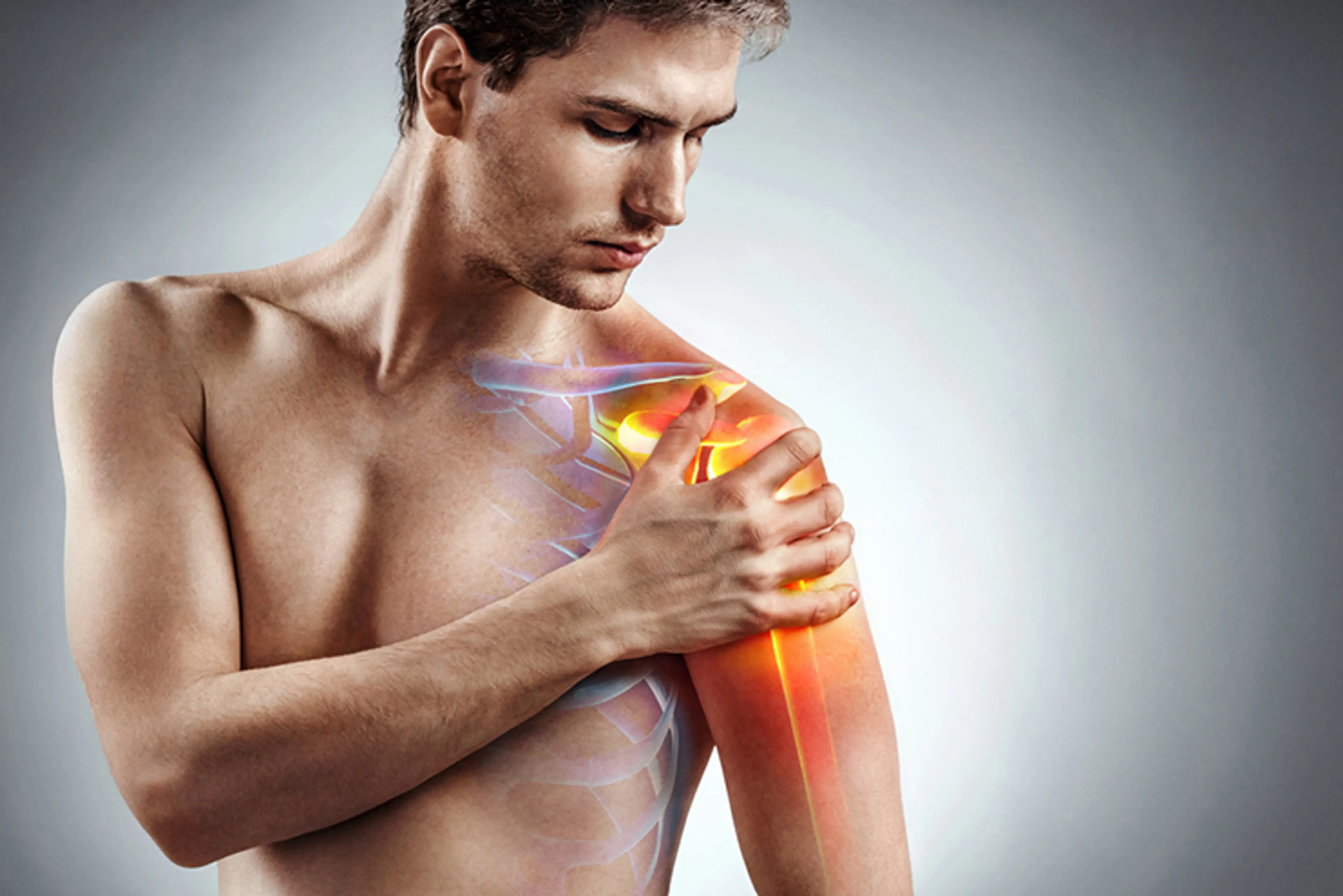
If you're dealing with chronic shoulder pain that limits your ability to reach, lift, or even get dressed, you're not alone. Many patients we see at Seoul Yes Hospital are searching for solutions that don't involve invasive surgery. One of the most promising options is stem cell therapy — a regenerative approach that aims to heal rather than simply manage the problem.
The shoulder is the most mobile joint in the body, but this mobility comes at a cost: decreased stability. It relies on a complex structure of bones, tendons, muscles, and ligaments to function smoothly. This makes it particularly susceptible to injuries and degeneration.
Unlike joints such as the hip or knee, the shoulder's range of motion is vast, but its reliance on soft tissue support makes it more fragile. Everyday actions like reaching behind your back, lifting heavy bags, or repetitive overhead motions (common in sports like tennis or swimming) can gradually cause wear and tear.
At Seoul Yes Hospital, we regularly treat:
These injuries often result in pain, weakness, and reduced range of motion. Traditional non-surgical treatments such as physical therapy and corticosteroid injections may provide relief but often do not address the underlying tissue damage.
For many patients, surgery is a last resort. Here are common reasons they hesitate:
In South Korea and globally, there is a growing preference for less invasive, more natural approaches to healing. That’s where stem cell therapy comes in. It offers a way to treat the root cause, not just the symptoms, while preserving daily function.
Stem cell therapy doesn’t magically regrow a torn tendon overnight. Instead, it enhances the body’s natural healing response. Most commonly, it involves mesenchymal stem cells (MSCs) derived from your own bone marrow or fat tissue.
These cells:
Reduce inflammation
Support tissue regeneration (tendon, cartilage, bone)
Help remodel scar tissue
Recruit other healing factors to the injury site (e.g., growth factors, cytokines)
Recent studies have shown that MSCs can modulate immune responses and improve the structural integrity of partially torn tendons. This makes them a promising adjunct in musculoskeletal injuries that are difficult to heal naturally.
At Seoul Yes Hospital, we emphasize tailored care. Stem cell therapy is considered when conservative treatments have failed and when the patient is motivated and medically suitable.
Before recommending stem cell therapy, we conduct a comprehensive evaluation, including:
Detailed history of symptoms, activity level, and previous treatments
Physical examination focusing on shoulder mechanics and functional limitations
Imaging such as MRI or high-resolution ultrasound to assess tendon quality and joint structure
We determine whether the injury is a good candidate for regenerative therapy. Not all cases are; severe degeneration or muscle atrophy may still require surgical options.
The treatment involves:
Accuracy during injection is crucial. Ultrasound guidance ensures precise delivery, minimizing the risk of injury to surrounding structures.
Recovery doesn't end with the injection. Structured rehab is essential:
Phase 1 (0-4 weeks): Pain control and gentle passive movement
Phase 2 (4-8 weeks): Gradual introduction of active motion and light resistance
Phase 3 (8-12+ weeks): Strength training, functional restoration, return to activity
Our rehabilitation specialists guide patients through each phase to maximize outcomes.
Delaying or avoiding surgery
Improving quality of life and mobility
Not always a full anatomical repair, but often a significant functional gain
Studies show that patients with small to moderate rotator cuff tears have a higher likelihood of success. For advanced tears, the goal may be to improve symptoms and delay the need for surgical repair.
A 2023 meta-analysis found that patients receiving MSCs for rotator cuff injuries reported significantly improved pain and shoulder function compared to controls.
Another clinical study reported better tendon healing when MSCs were used alongside arthroscopic repair.
Animal studies confirm that MSCs reduce inflammation and increase collagen organization at tendon-bone junctions.
Still considered investigational in some countries
Protocols vary by clinic; not all treatments are standardized
Insurance coverage remains limited in Korea and abroad
Not suitable for patients with active infections, cancer, or severe comorbidities
At Seoul Yes Hospital, we are honest about the science. We see stem cell therapy as a valuable tool, not a cure-all. In the right patient, it can be transformative.
A 55-year-old amateur golfer had a partial rotator cuff tear. After six months of failed physical therapy and injections, he underwent stem cell therapy at our clinic.
Bone marrow-derived MSCs
Injection into tendon footprint under ultrasound guidance
Customized rehabilitation plan
Pain reduced from 6/10 to 2/10
Arm mobility improved from 80° to 140°
Returned to golf with minimal discomfort
MRI showed tissue improvement and improved tendon signal
His motivation, early intervention, and commitment to rehab were key factors in his successful outcome. We often find that patient mindset and participation significantly impact success.
When discussing with your doctor, ask:
Is my injury suitable for stem cell therapy?
What cell source do you use?
What is the evidence behind your protocol?
What does the rehab plan involve?
What outcomes should I realistically expect?
It’s also helpful to request imaging that shows the current status of your tendons and cartilage. This allows for a more informed discussion about regenerative vs. surgical paths.
Make sure you're working with a multidisciplinary team that understands both the science and the individual needs of shoulder pain patients.
Led by Dr. Sung-Hoon Cho, a pioneer in regenerative and NK cell therapy
Multidisciplinary team with 16 joint and spine specialists
Precision medicine tailored to your injury and lifestyle
Located in Suji-gu, Yongin-si, a growing healthcare hub
Integrated rehabilitation programs to support long-term healing
Transparent communication, realistic goal-setting, and ethical care
If your shoulder pain is affecting your lifestyle and hasn’t improved with conventional care, stem cell therapy may be worth exploring. It won’t be the right solution for every patient, but for many, it offers a real chance to restore mobility and avoid surgery.
At Seoul Yes Hospital, our goal is to help you move freely, live fully, and heal naturally. Through innovative regenerative medicine, comprehensive care, and personalized treatment plans, we aim to be your trusted partner on the path to recovery.
Schedule a consultation at Seoul Yes Hospital to see if regenerative treatment fits your needs. Shoulder pain doesn’t have to define your life. Let’s find the right solution—together.