Introduction
introductionKnee pain is a common condition that affects millions of people worldwide. It can range from mild discomfort to debilitating pain, often caused by conditions such as osteoarthritis, injury, or general wear and tear as we age. While medications, physical therapy, and lifestyle changes can help alleviate symptoms for some, others may find these treatments insufficient to manage their knee pain. When knee pain becomes severe and starts interfering with daily life, patients are often faced with two primary treatment options: stem cell therapy and knee replacement surgery.
Both treatments have their pros and cons, and the decision on which is best can be complex. At Seoul Yes Hospital, we are committed to helping you make an informed choice, ensuring you receive the care that best suits your condition, lifestyle, and long-term goals. In this article, we will explore both options in detail, comparing their effectiveness, risks, benefits, and suitability for different types of knee pain.
What is Knee Replacement Surgery?
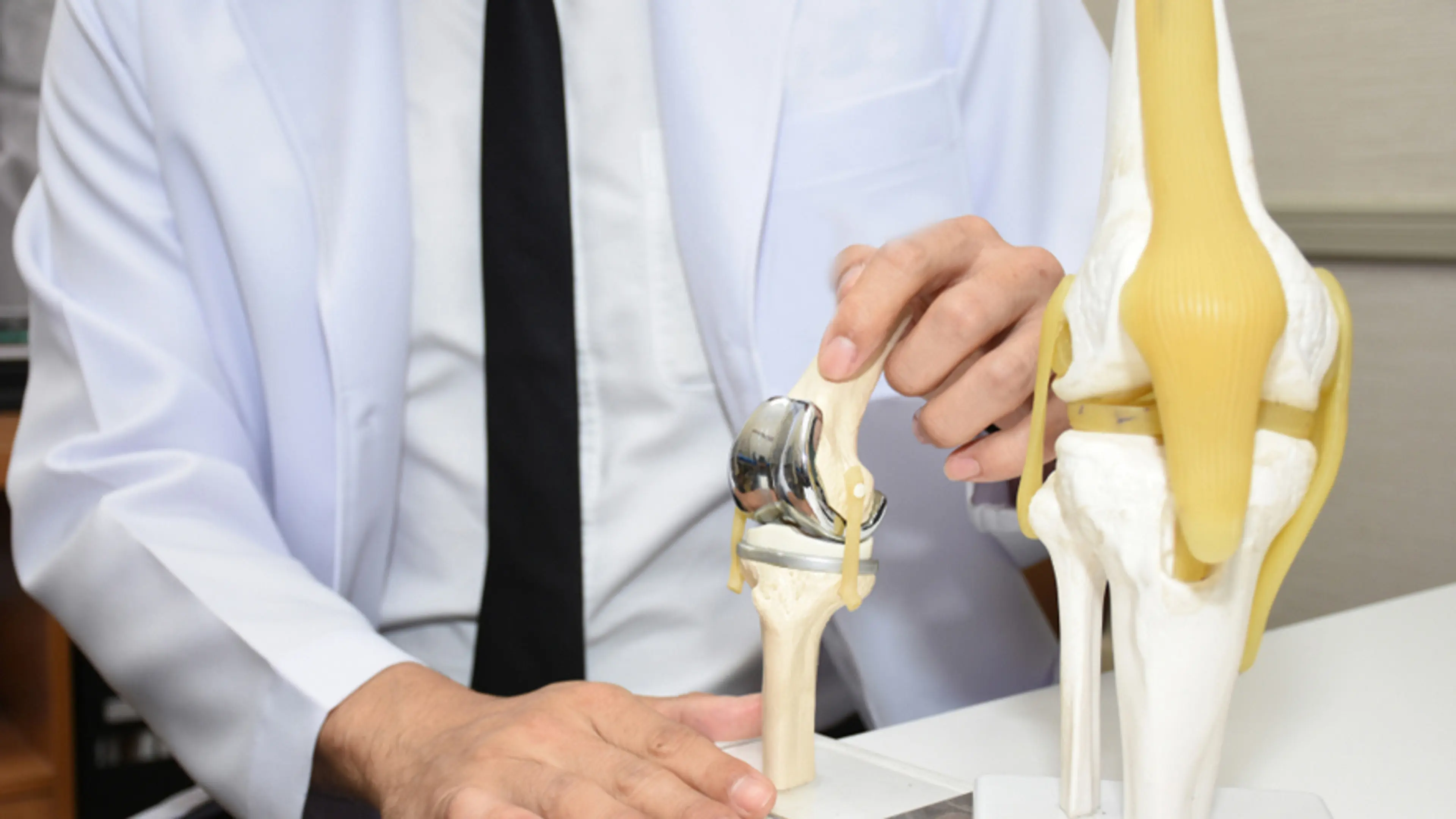
what-is-knee-replacement-surgeryKnee replacement surgery, also known as knee arthroplasty, is one of the most widely performed orthopedic surgeries. It involves removing the damaged portions of the knee joint and replacing them with prosthetic components made of metal, plastic, or ceramic. This procedure is typically recommended for patients with severe knee osteoarthritis or significant joint damage that has not responded to other forms of treatment.
Pros of Knee Replacement Surgery:
pros-of-knee-replacement-surgery:Proven Effectiveness: Knee replacement surgery has been practiced for decades and is known for its high success rate in alleviating pain, improving mobility, and restoring function in patients suffering from knee joint issues. Many patients experience significant pain relief and a return to normal activity levels after recovery.
Long-Lasting Results: A properly done knee replacement can last 15 to 20 years or longer, giving many patients a permanent solution to their knee pain. This longevity makes it especially beneficial for older patients who may not require further interventions later in life.
Restores Mobility: The procedure is designed to improve joint function, allowing patients to perform everyday activities with less pain and greater ease.
Cons of Knee Replacement Surgery:
cons-of-knee-replacement-surgery:Invasive Procedure: Knee replacement is a major surgery that requires general anesthesia, hospital admission, and a significant recovery period. Post-surgery rehabilitation can take several months, during which patients need to engage in physical therapy to regain strength and mobility.
Risks and Complications: As with any major surgery, knee replacement carries inherent risks, such as infections, blood clots, complications from anesthesia, and implant failure. While rare, these complications can affect the outcome of the surgery.
Reduced Range of Motion: While most patients experience relief from pain, the knee may not have the full range of motion it did before the arthritis set in, limiting some activities.
What Is Stem Cell Therapy?
what-is-stem-cell-therapy
Stem cell therapy is an innovative, non-surgical approach to treating knee pain, particularly in patients with mild to moderate osteoarthritis or joint degeneration. The therapy involves harvesting stem cells from the patient’s own body—usually from bone marrow or fat tissue—and injecting them into the knee joint. These stem cells are believed to have the ability to regenerate damaged tissue, reduce inflammation, and promote healing.
Stem cell therapy is still considered an experimental treatment by many in the medical community, but recent advancements have shown promising results, particularly for patients with early to moderate-stage knee degeneration.
Pros of Stem Cell Therapy:
pros-of-stem-cell-therapy:Minimally Invasive: Stem cell injections are done in an outpatient setting and involve little to no downtime. Patients can typically return to their normal activities within a few days after the procedure.
Faster Recovery: Compared to knee replacement, stem cell therapy requires much less recovery time. The procedure is minimally invasive, and there is no need for the long rehabilitation period associated with surgery.
Natural Healing: Stem cells are taken from the patient’s own body, meaning there is no risk of rejection. The cells are designed to promote tissue regeneration, reducing the need for artificial implants.
Potential for Long-Term Relief: Stem cell therapy can potentially stop the progression of joint damage by stimulating the growth of new, healthy tissue, providing long-term relief for some patients.
Cons of Stem Cell Therapy:
cons-of-stem-cell-therapy:Not a Guaranteed Cure: While promising, stem cell therapy may not work for everyone. It is most effective in patients with mild to moderate joint damage and may not be suitable for those with severe arthritis or advanced degeneration of the knee.
Costs and Insurance: Since stem cell therapy is still considered experimental by many insurers, it may not be covered by insurance, making it a more expensive option compared to knee replacement surgery.
Multiple Sessions May Be Required: For optimal results, some patients may need multiple rounds of stem cell injections, making it a more prolonged and costly treatment option.
When Should You Choose Knee Replacement Surgery?
when-should-you-choose-knee-replacement-surgery
Knee replacement surgery is often the best option for those who have severe osteoarthritis or significant joint damage that interferes with daily activities. If you’ve tried conservative treatments—like pain medications, physical therapy, or injections—and found them ineffective, knee replacement may provide the relief and functionality you need. It’s also the preferred choice for older adults who are looking for a permanent solution to their knee pain and who are not concerned about a lengthy recovery process.
At Seoul Yes Hospital, we perform thorough evaluations and use state-of-the-art imaging and diagnostic tools to assess the severity of your condition and determine whether knee replacement is the right choice for you.
When Should You Consider Stem Cell Therapy?
when-should-you-consider-stem-cell-therapyStem cell therapy is a great option for patients in the early to mid-stages of knee osteoarthritis or those who wish to avoid invasive surgery. If you’re dealing with mild to moderate knee pain and want to try a less invasive treatment, stem cell therapy can be a viable alternative. Additionally, stem cell therapy is often considered by those who want to delay or prevent knee replacement surgery, offering a way to maintain joint function for a longer period without the need for a prosthesis.
At Seoul Yes Hospital, we understand the value of offering our patients a comprehensive range of treatment options, including stem cell therapy, which can help improve the quality of life for many individuals experiencing knee pain.
Factors to Consider When Choosing Between Stem Cell Therapy and Knee Replacement
factors-to-consider-when-choosing-between-stem-cell-therapy-and-knee-replacementSeveral factors should influence your decision when choosing between stem cell therapy and knee replacement surgery:
Severity of Knee Damage: If you have advanced arthritis or severe knee joint damage, knee replacement surgery may be the most appropriate choice. For less severe damage, stem cell therapy may be an effective and less invasive option.
Age and Activity Level: Younger, more active individuals may benefit from stem cell therapy, as it helps preserve the natural joint tissue and can delay the need for surgery. Older adults or those with limited physical demands may benefit more from knee replacement.
Lifestyle and Goals: Your personal goals for recovery—such as returning to sports, hiking, or other high-impact activities—may also influence your decision. Knee replacement provides more immediate relief, while stem cell therapy may be a better option for those seeking to avoid surgery and preserve joint function.
Cost and Insurance: Knee replacement surgery is generally covered by insurance, while stem cell therapy may not be, depending on your insurance policy. Be sure to consider the financial aspect when making your decision.
Conclusion: Which Treatment Is Best for You?
conclusion:-which-treatment-is-best-for-youAt Seoul Yes Hospital, we believe that no one treatment is suitable for every patient. The choice between stem cell therapy and knee replacement surgery depends on a variety of factors, including the severity of your condition, your age, activity level, and treatment preferences.
Knee replacement surgery offers a proven, long-lasting solution for severe knee arthritis and joint degeneration, providing substantial pain relief and improved mobility. However, it requires significant recovery time and involves surgical risks.
Stem cell therapy, on the other hand, offers a non-invasive, promising alternative for those with mild to moderate knee damage. While it may not work for everyone, it provides the potential for regeneration and long-term relief without the need for surgery.