Home / Articles
Stem Cell Treatment for Nerve Regeneration: What It Means for Health
Home / Articles
Stem Cell Treatment for Nerve Regeneration: What It Means for Health
Before diving into stem cells, let's quickly review what we mean by nerve regeneration. Nerve regeneration refers to the process of healing or repairing damaged nerves. When a nerve is injured, it can lead to pain, numbness, weakness, or even paralysis, depending on the severity and location of the injury.
Nerves in the body have a limited ability to regenerate naturally, especially when the damage is severe. This is where stem cells come in—they can stimulate the body's healing process, potentially encouraging the repair and regeneration of damaged nerve tissue.
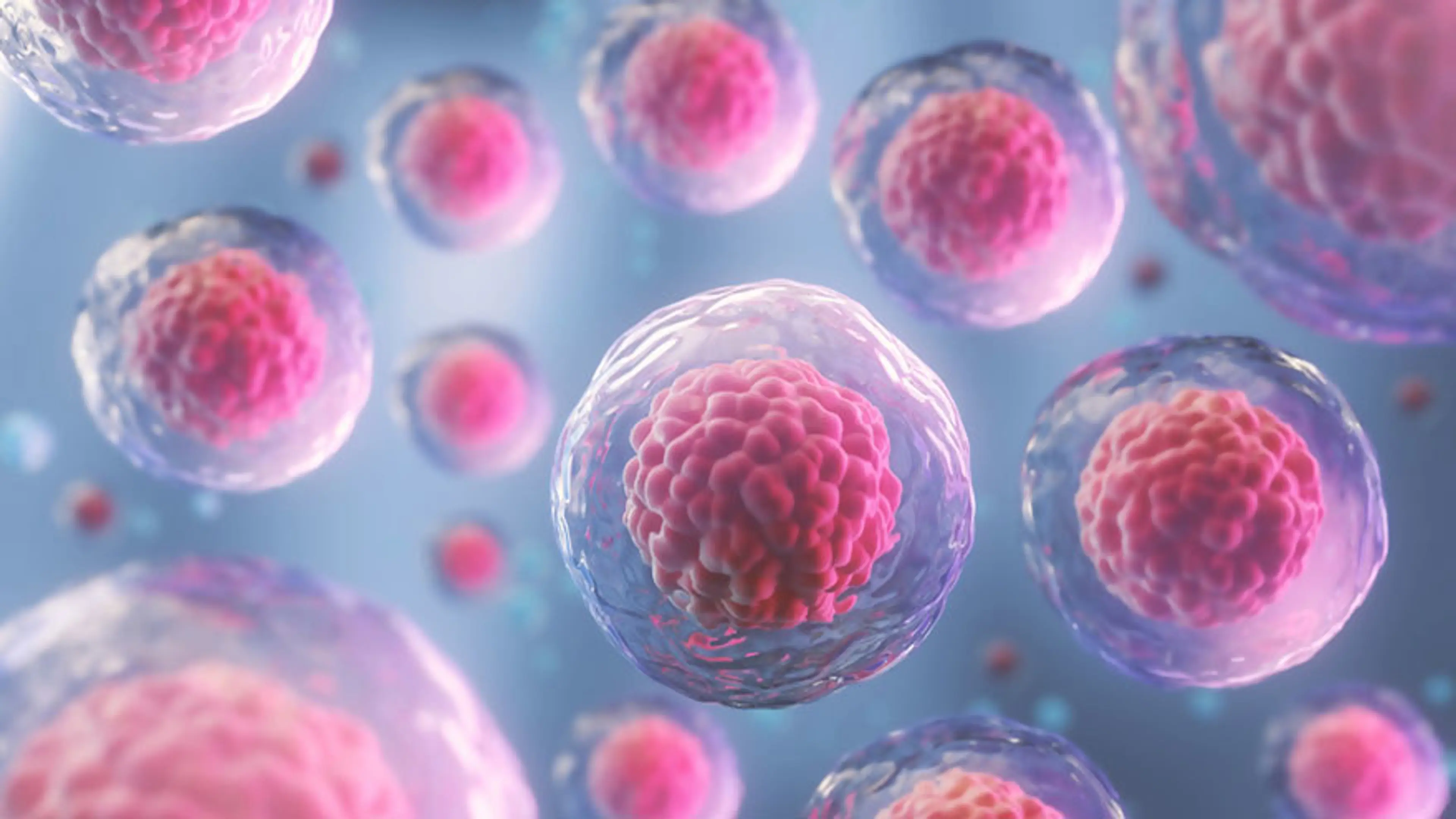
Stem cells are unique because they have the ability to develop into many different types of cells in the body, including nerve cells (neurons). In the context of nerve regeneration, stem cells can be used to replace damaged cells and encourage the growth of new nerve tissue.
Stem cell therapy works by either introducing stem cells directly into the area of injury or by encouraging the body's natural stem cells to help with healing. Here's how it typically works:
Stem cell therapy represents an innovative approach to treating nerve damage that goes beyond conventional methods. Here are some of the reasons why it's becoming a preferred treatment option:
For many individuals with nerve damage, surgery may seem like the only option. However, surgeries to repair nerve damage can be risky, invasive, and often don’t guarantee success. Stem cell therapy offers a minimally invasive alternative, potentially avoiding the need for surgery and reducing recovery time.
Unlike medications that merely mask symptoms or slow down degeneration, stem cells work by stimulating the body’s natural regenerative processes. This holistic approach helps restore function at a cellular level, encouraging the body to heal itself.
Conventional treatments for nerve damage typically focus on managing symptoms like pain or numbness. Stem cells have the potential to do more—helping to regenerate nerve tissue and restore nerve function, even in cases where other treatments have failed.
Because stem cells can be harvested from the patient’s own body, there is a minimal risk of rejection or adverse reactions. When sourced from a reputable stem cell bank or trusted medical center, the risk is even lower.
At Seoul Yes Hospital, we specialize in personalized care. Stem cell treatments are often tailored to each patient's specific condition, ensuring the most effective approach to regeneration. With our multidisciplinary team of experts, we can combine stem cell therapy with other regenerative treatments for even better results.
Stem cell therapy is not a one-size-fits-all treatment, but it has shown promising results for several nerve-related conditions. Some of the most common conditions that can benefit from stem cell treatment include:
Damage to the spinal cord can cause long-term disability, including paralysis. Stem cell therapy offers the potential for repairing damaged spinal cord tissue, improving function, and even restoring some mobility.
Peripheral nerves, which connect the spinal cord to limbs and organs, can be damaged by accidents, surgeries, or chronic conditions. Stem cells may help regenerate these nerves and reduce pain, weakness, and numbness.
Conditions like diabetic neuropathy and sciatica can cause widespread nerve damage, leading to chronic pain and discomfort. Stem cell therapy may be able to repair the damaged nerves and alleviate symptoms over time.
While stem cell therapy is still being researched for neurodegenerative diseases like Alzheimer’s or Parkinson’s, early studies suggest that stem cells could help slow down disease progression and improve quality of life.
Nerve-related pain that doesn’t respond to traditional treatments—such as medication or physical therapy—can be alleviated with stem cell therapy. By regenerating nerve tissue, stem cells address the underlying cause of the pain, rather than simply masking the symptoms.
If you’re considering stem cell therapy for nerve regeneration, it’s important to have realistic expectations. While the results can be life-changing, not every patient will experience the same outcomes.
At Seoul Yes Hospital, our patients typically undergo a thorough consultation with our specialists to assess the extent of the nerve damage and determine the most appropriate treatment plan. While most patients experience gradual improvements over several weeks to months, some may see quicker results, depending on the severity of their condition and their body’s ability to regenerate.
If you’ve been living with nerve damage, you don’t have to rely solely on medications or risky surgeries. Stem cell therapy for nerve regeneration is offering new hope to people just like you, and it’s a promising option for non-surgical, long-term relief.
At Seoul Yes Hospital, we’re dedicated to using the latest advancements in regenerative medicine to help you live a life free from chronic pain and disability. If nerve damage is affecting your lifestyle, consider speaking with one of our specialists about stem cell treatment. Let us guide you toward a path of healing, where advanced science meets compassionate care.