Home / Articles
Stem Cells and Their Role in Rebuilding Torn Cartilage in Joints
Home / Articles
Stem Cells and Their Role in Rebuilding Torn Cartilage in Joints
Cartilage, especially articular cartilage, is the smooth, gliding surface found at the ends of bones in joints. It acts like a shock absorber, enabling frictionless movement. But unlike most tissues, cartilage has no blood vessels or nerves. This makes healing extremely difficult when it's damaged.
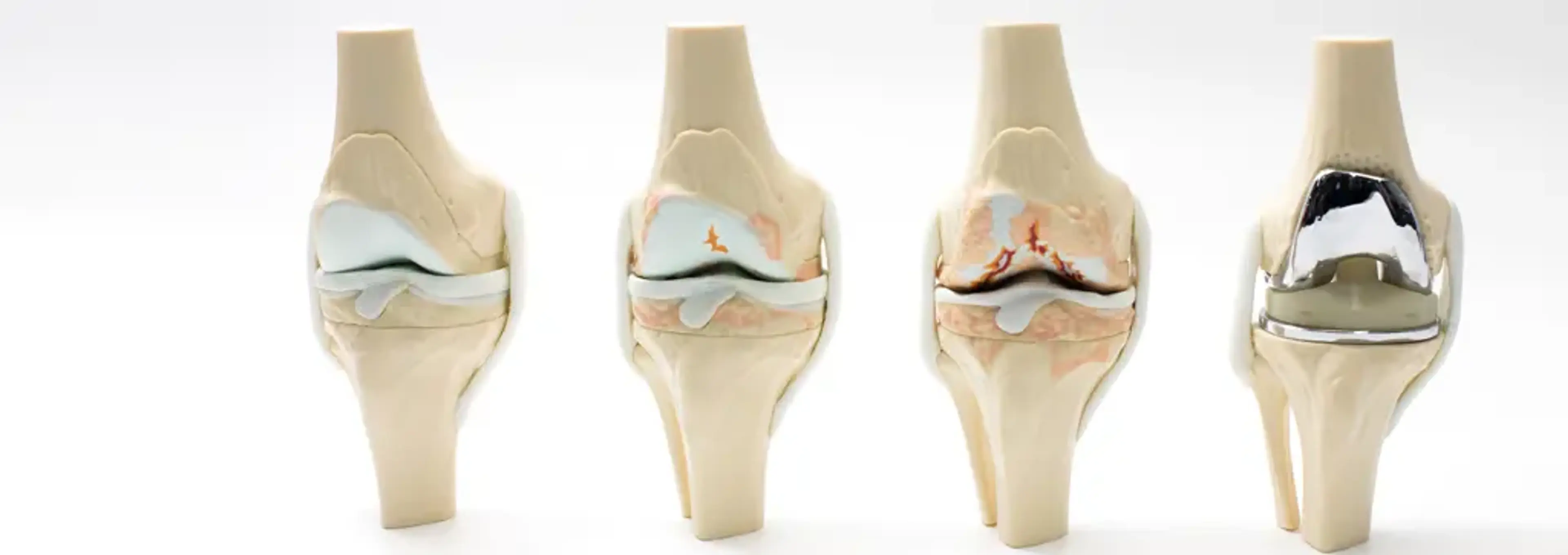
Over time, or after injury, this smooth layer can become cracked or worn down. This damage doesn’t just stop at the surface—it progresses, affecting nearby cartilage, underlying bone, and leading to joint disorders like osteoarthritis. Like a hinge missing its lubrication and padding, the joint starts to wear down quickly once cartilage is compromised.
In Korea, where patients often prioritize mobility and non-surgical care, cartilage damage presents a significant lifestyle issue. At Seoul Yes Hospital, we frequently see patients who delay treatment until walking, climbing stairs, or even sleeping becomes painful. Unfortunately, by the time many seek help, conservative treatments may no longer be enough.
Once damage becomes severe, conventional options like anti-inflammatory medications, physical therapy, or even total joint replacement might be the only paths forward. However, if addressed earlier, regenerative therapies—especially stem cell-based interventions—offer the potential not only to relieve symptoms but to help restore the joint’s structural integrity.
Stem cells, particularly mesenchymal stem cells (MSCs), are multipotent cells capable of differentiating into bone, cartilage, muscle, and fat tissues. Think of them as a specialized construction crew that not only fills potholes in the road but also rebuilds the structural foundation beneath.
These cells are typically harvested from bone marrow, adipose (fat) tissue, or umbilical cord blood. Once introduced into a joint, they can help repair damaged cartilage by transforming into cartilage-like cells and releasing important signaling molecules that reduce inflammation and promote healing.
Scientific studies have identified several key mechanisms by which MSCs contribute to cartilage repair:
In clinical trials, patients treated with MSC-based therapies often report improvements in joint pain, stiffness, and mobility. While perfect regeneration of native cartilage (hyaline cartilage) remains an ongoing challenge, the evidence is growing in support of stem cell therapy as a viable treatment for specific types of cartilage injury.
At Seoul Yes Hospital, we take a meticulous, evidence-based approach to cartilage repair that goes beyond a simple injection. Here's how the process typically unfolds:
Every case begins with a full orthopedic and regenerative medicine evaluation. This includes imaging (MRI, X-rays) to determine the depth, size, and exact location of cartilage damage, as well as a functional assessment of joint mechanics.
We may use autologous cells (from the patient) or carefully screened donor cells, depending on the patient’s health profile and treatment goals. In-house lab protocols ensure cell viability, safety, and optimal concentration before application.
To improve outcomes, we often combine stem cells with scaffolds—biocompatible substances like hydrogels that hold the cells in place and support growth. We may also incorporate platelet-rich plasma (PRP), hyaluronic acid, or nano-enhanced compounds that further support healing.
Using image-guided injections or minimally invasive arthroscopy, we ensure the regenerative material is delivered precisely into the cartilage defect. This targeted approach minimizes risk and maximizes therapeutic effect.
Post-treatment, patients follow a tailored rehabilitation plan that protects the repaired area. This includes progressive weight-bearing, physiotherapy, and joint-friendly exercises to encourage optimal regeneration.
We conduct periodic evaluations to track healing progress through follow-up imaging and functional assessments. Adjustments to rehab, injections, or supplemental therapies are made as needed.
From our hands-on experience treating cartilage injuries, several consistent patterns emerge:
In South Korea, there is a strong cultural and medical preference for non-surgical treatment paths, especially for younger or active adults. Regenerative medicine offers several compelling advantages:
For patients with active lifestyles or who want to postpone or avoid prosthetics, this can be a game-changing option.
Patients with small to medium-sized cartilage defects.
Younger or middle-aged adults with preserved joint structure.
Individuals with correctable joint misalignment or biomechanical issues.
Those committed to rehab and willing to adopt supportive lifestyle changes (e.g., weight management).
Individuals with advanced, bone-on-bone osteoarthritis.
Patients with significant joint deformity or unaddressed instability.
Those seeking immediate return to intense physical activity without rehabilitation.
People with unrealistic expectations or low adherence to post-procedure care.
If you’re unsure, our team can conduct a personalized evaluation to determine whether regenerative therapy is appropriate for your condition.
The landscape of regenerative cartilage medicine is evolving quickly, and Seoul Yes Hospital is at the forefront of integrating these innovations:
As these advancements reach clinical maturity, we anticipate even more effective and reliable outcomes for patients seeking long-term joint health.
If joint pain, stiffness, or instability is affecting your quality of life, you don’t have to wait until things get worse. Stem cell-based cartilage repair offers a scientifically grounded, minimally invasive alternative that’s already helping thousands of patients regain mobility and reduce pain.
At Seoul Yes Hospital, we are committed to guiding patients through a process that balances innovation with personalized care. We combine the latest in regenerative science with thoughtful attention to your unique needs—so you can make informed decisions, not rushed ones.
Ready to explore your options? Reach out to a team that offers both innovation and experience. Your joints deserve it.