Home / Articles
Stem Cells as a Promising Treatment for Rheumatoid Arthritis
Home / Articles
Stem Cells as a Promising Treatment for Rheumatoid Arthritis
At Seoul Yes Hospital, we’ve seen firsthand how regenerative medicine is beginning to transform care for people with chronic joint conditions. Rheumatoid arthritis, in particular, is an area where cell-based therapies are opening new doors of hope.
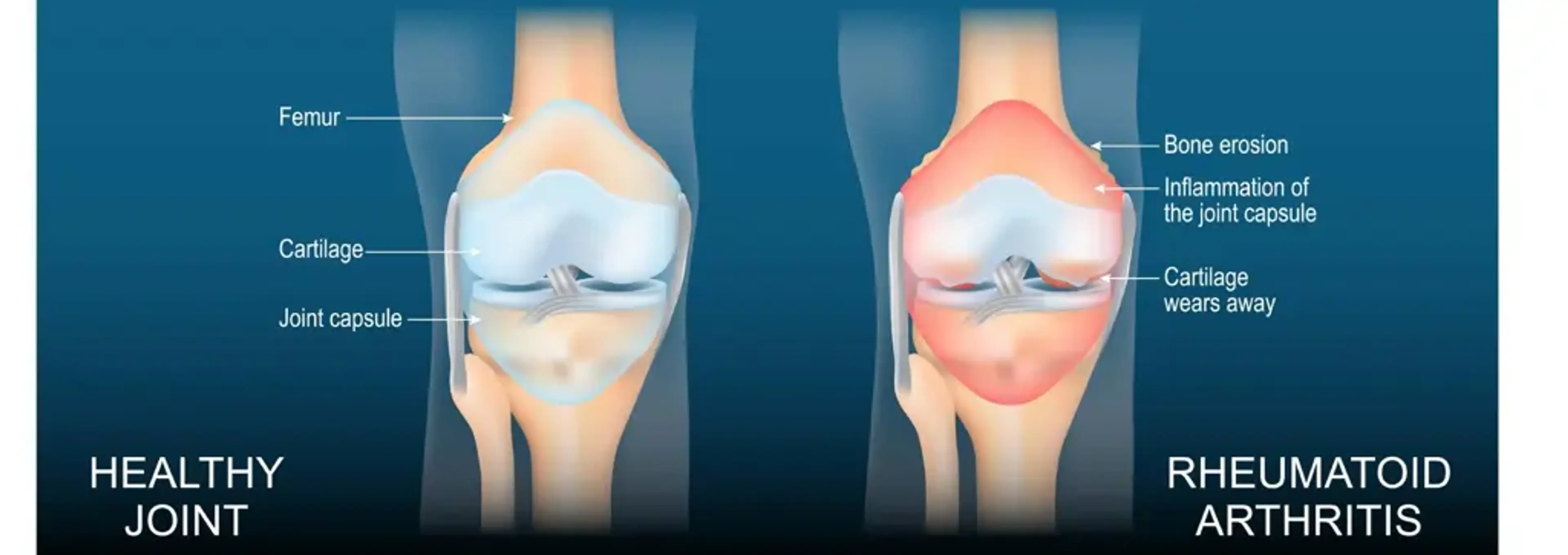
Rheumatoid arthritis is not simply “joint pain.” It’s a systemic autoimmune disease where the immune system mistakenly attacks the lining of the joints, leading to chronic inflammation. Over time, this ongoing assault damages cartilage, erodes bone, and deforms joints. Unlike osteoarthritis — which is more mechanical wear and tear — RA is driven by immune dysfunction that affects the entire body.
RA is also linked to fatigue, anemia, and an increased risk of cardiovascular disease. Many patients describe it as a disease that follows them everywhere — not just in their joints but in their energy, mood, and long-term health. This systemic nature is why RA requires more than pain management; it demands therapies that can address immune imbalance at its root.
In Korea, RA typically begins in people during their 30s to 50s, often affecting women more than men. With early intervention using disease-modifying antirheumatic drugs (DMARDs) or biologics, progression can be slowed. However, the reality is that many patients still struggle with breakthrough flares, side effects, and treatment fatigue. That’s why interest in regenerative therapies, especially stem cells, is growing rapidly.
Stem cells are often described as the body’s natural repair kit. They have the ability to transform into different types of cells and release bioactive molecules that reduce inflammation, protect tissues, and support healing. In rheumatoid arthritis, the promise lies in two main functions:
Think of stem cells as gardeners in a damaged landscape — not only pulling out the weeds (inflammation) but also planting new seeds (tissue repair) so the land can recover. Unlike standard medications that suppress immune activity broadly, stem cells have the potential to selectively rebalance immune responses while promoting true tissue repair.
Certain trials indicate that stem cell therapy can reduce inflammatory markers like TNF-alpha and interleukin-6, which are central to RA’s destructive process. What’s particularly encouraging is that benefits can last for months or even years, something conventional therapies rarely achieve on their own.
However, stem cell therapy is still evolving. Results vary depending on the type of stem cells used (bone marrow-derived, adipose-derived, or umbilical cord-derived), the delivery method (intravenous infusion vs. intra-articular injection), and the stage of disease when treatment begins. Importantly, stem cells are not yet considered a stand-alone cure or a full replacement for DMARDs or biologics. Instead, they are emerging as a promising adjunct — especially for patients who have not responded well to standard therapies.
To be honest, patients often come to us after years of frustration. They’ve tried multiple medications, adjusted their lifestyle, and still find themselves unable to enjoy daily activities without pain. What we’ve noticed is that stem cell therapy, when combined with careful medical monitoring, can offer them something they haven’t felt in a long time: a sense of control over their condition.
Here’s what we often see:
While stem cell therapy is not a magic cure, it appears to shift the trajectory of the disease, creating a window of improved quality of life that other therapies alone might not deliver.
The most common side effects are temporary, such as mild fatigue or localized soreness at the injection site. Serious complications are very rare when treatment is performed in a controlled, medical setting. However, because RA is a systemic disease, follow-up care is essential. Stem cell therapy should always be part of a comprehensive treatment plan, not a stand-alone approach.
This is why it’s important to seek treatment from specialized centers with both regenerative medicine expertise and a deep understanding of autoimmune disease. At Seoul Yes Hospital, for example, treatments are guided by Dr. Sung-Hoon Cho, a pioneer in NK and stem cell therapy, ensuring protocols meet global safety and efficacy standards.
If you think about the evolution of RA care, we’ve moved from painkillers to steroids, then to DMARDs and biologics. Stem cells may represent the next step — a shift toward not just suppressing disease, but actually rebalancing the immune system and protecting joint structures.
Researchers are exploring several exciting possibilities:
For patients in Korea and globally, this signals a future where treatment is not just about managing RA but about restoring balance and protecting long-term health.
If you’re living with rheumatoid arthritis and your current treatment feels incomplete, it may be worth exploring regenerative options. Stem cell therapy isn’t for everyone — it requires careful evaluation of your disease stage, medical history, and treatment goals. But for the right patient, it can provide meaningful relief and hope for the future.
At Seoul Yes Hospital in Suji-gu, Yongin-si, we specialize in guiding patients through these decisions. With a multidisciplinary team of 16 specialists, we integrate stem cell therapies, non-surgical interventions, and supportive care to design treatment plans that address both the disease and the person living with it.
For international patients or those unfamiliar with regenerative medicine, it’s important to remember that RA care is highly individualized. The best outcomes come from combining the latest science with compassionate, continuous care.
Rheumatoid arthritis may not yet have a cure, but the landscape is changing. Stem cells are no longer a distant concept confined to research labs — they’re becoming a tangible part of patient care. While more studies are needed to refine protocols and confirm long-term outcomes, the early signs are hopeful.
If RA is affecting your lifestyle, don’t settle for living in constant pain. It may be time to explore regenerative solutions at a specialized center like Seoul Yes Hospital, where innovation meets experience in spine, joint, and immune-based care.