Home / Articles
Stem Cells for Improving Mobility and Flexibility After Surgery
Home / Articles
Stem Cells for Improving Mobility and Flexibility After Surgery
Many patients come to Seoul Yes Hospital expecting that surgery will be the final step in resolving joint, spine, or soft tissue issues. While surgery often corrects structural problems, recovery doesn’t always go as hoped. Limited mobility, stiffness, or lack of flexibility can linger well beyond the expected healing time. This is where regenerative medicine—especially stem cell therapy—is changing the recovery narrative.
Stem cells are proving to be powerful allies in restoring not just pain relief but also functional movement. In this article, we’ll explore what stem cells are, how they work after surgery, and how we integrate them into personalized care plans at Seoul Yes Hospital. Whether you're a weekend athlete, an aging adult managing osteoarthritis, or someone recovering from orthopedic surgery, understanding your options can be the first step toward reclaiming a fuller, more mobile life.
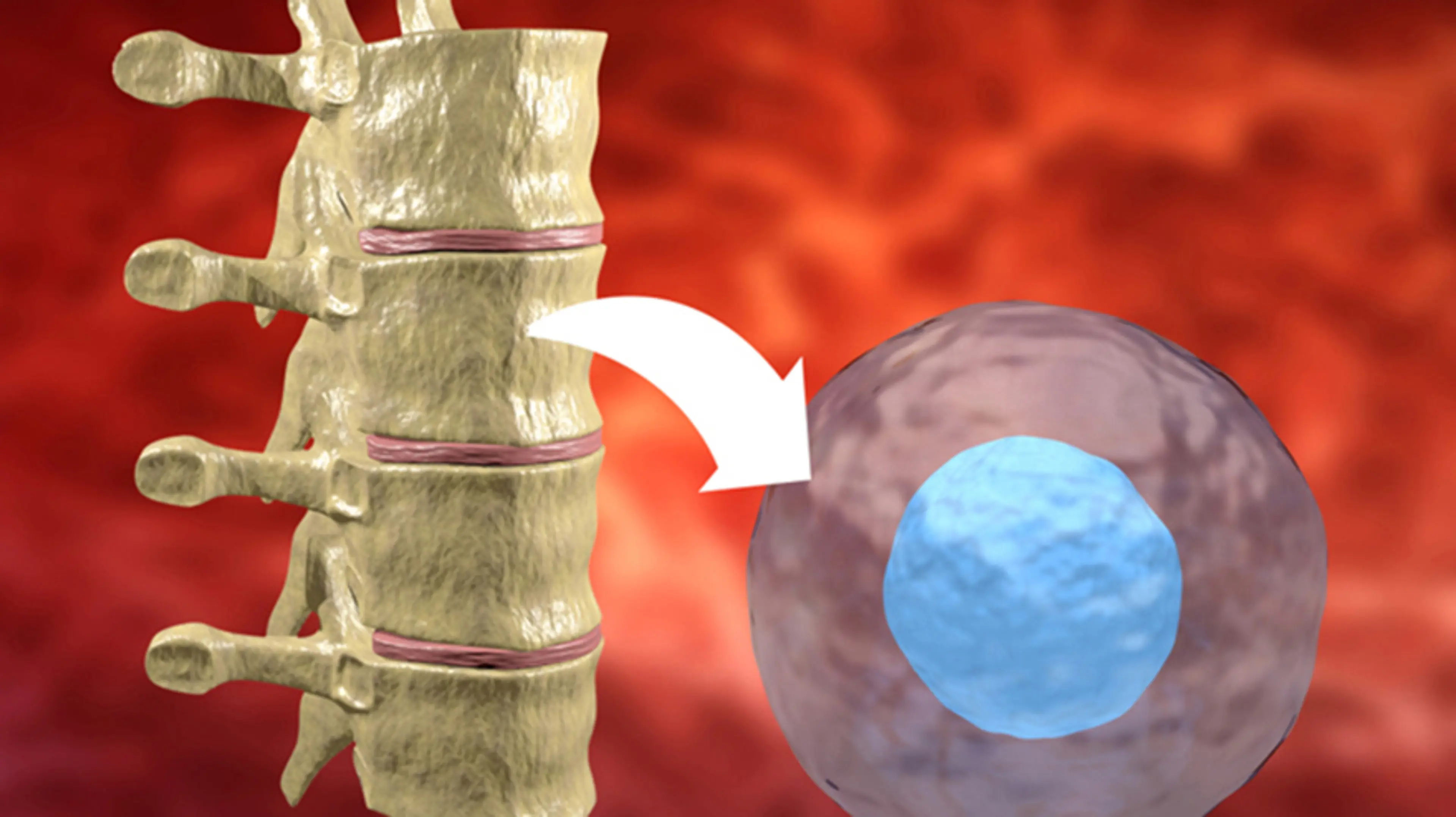
Stem cells are unspecialized cells capable of becoming many different cell types—including cartilage, bone, tendon, and ligament cells. Mesenchymal stem cells (MSCs), in particular, are widely used in orthopaedics and regenerative medicine for their ability to regenerate damaged tissue and modulate inflammation. These cells can be harvested from a patient’s own fat or bone marrow and processed into a concentrated therapeutic preparation.
After surgery, the body naturally initiates a healing process. However, this healing can result in:
Scar tissue formation that limits elasticity and range of motion
Persistent low-grade inflammation that delays recovery
Reduced tissue quality, especially in older patients or those with comorbidities like diabetes or osteoporosis
Stem cells act like expert gardeners in a damaged field, promoting healthier, more functional tissue regeneration instead of scar-heavy, rigid repair. They not only differentiate into the right cell types but also release growth factors and anti-inflammatory signals that improve the healing environment. This bioactive support can help the repaired tissue not just survive, but thrive.
Even when surgery is technically successful, many patients struggle with:
Residual inflammation or micro-injuries that persist post-op
Scar tissue and adhesions that reduce flexibility
Weakened replacement tissue that lacks the mechanical properties of native structures
Muscular stiffness, weakness, or compensation patterns that develop during immobilization
Age-related declines in regenerative potential or systemic health issues
This can result in ongoing stiffness or limited range of motion. For example, after rotator cuff repair, many patients experience limited shoulder abduction or external rotation despite a structurally intact tendon. Similarly, spinal fusion surgery may relieve nerve compression but result in local stiffness or adjacent segment stress.
The type of surgery performed (e.g., ligament reconstruction, joint replacement, disc decompression)
The current healing stage and tissue integrity, often through advanced imaging
The patient’s age, comorbidities, nutritional status, and lifestyle
Any potential contraindications (e.g., active infection, immune dysfunction)
We aim to determine whether regenerative therapy will enhance surgical outcomes or whether conventional rehabilitation alone is sufficient. Not all patients require stem cell therapy, and part of our mission is to recommend it judiciously.
After harvesting, cells are processed under sterile conditions. In some cases, we utilize a point-of-care system that allows same-day application. For more complex needs, cells may be expanded and cultured under strict laboratory standards before being reinjected.
We use ultrasound or fluoroscopic guidance to ensure precise placement. Our experience shows that accuracy in delivery significantly enhances outcomes.
Guided range-of-motion protocols
Joint mobilizations to prevent adhesions
Muscle activation and neuromuscular retraining
Progressive loading to stimulate cell integration and tissue remodeling
Our physiotherapists work in tandem with regenerative specialists to tailor a rehabilitation program that supports cellular healing and functional recovery.
Some patients may benefit from adjunctive therapies such as platelet-rich plasma (PRP), shockwave therapy, or nutritional support to enhance outcomes. Regular follow-ups help us fine-tune the care plan and avoid complications.
A patient in their 50s came to us after knee surgery (meniscus repair and microfracture). Despite structural healing, they had limited flexion (~100°) and pain after 3 months, which affected their ability to climb stairs and return to work comfortably.
We administered an MSC injection at 4 months post-surgery and started a specialized rehab plan focusing on joint mobilization, quad activation, and gait training.
By 12 months:
Knee flexion improved to 130°
Pain decreased significantly
The patient resumed recreational cycling and walking 5km daily
This case highlights how regenerative and rehabilitative approaches can synergize to improve quality of life, even when initial surgical recovery is plateauing.
Multiple clinical and preclinical studies support the ability of MSCs to regenerate cartilage, reduce joint inflammation, and improve pain and function.
In spine care, early research suggests benefits in disc regeneration and nerve healing, but results are mixed and depend heavily on protocol and patient selection.
Regulatory bodies in Korea and globally are now focusing on standardizing protocols to ensure safety and efficacy.
We provide clear counseling on benefits, risks, cost, and alternative treatments to help you make an informed decision.
If you’ve had surgery but still feel limited by pain, stiffness, or restricted movement, you may benefit from stem cell-supported recovery. At Seoul Yes Hospital, we offer a regenerative roadmap to help you regain flexibility, mobility, and confidence.