Home / Articles
Stem Cells for Spinal and Joint Recovery in Rheumatoid Arthritis
Home / Articles
Stem Cells for Spinal and Joint Recovery in Rheumatoid Arthritis
Stem cell therapy has gained significant attention in recent years as a promising treatment for various conditions, including rheumatoid arthritis (RA). RA is a chronic autoimmune disease that affects the joints and, in some cases, the spine, causing pain, inflammation, and irreversible tissue damage. Stem cells have the potential to regenerate damaged tissues, reduce inflammation, and provide pain relief, offering an alternative approach for patients with RA who have not responded to traditional treatments.
This article explores how stem cells may help with joint and spinal recovery in rheumatoid arthritis, the types of stem cells used in treatment, current research, and the potential benefits and risks associated with stem cell therapy.
Rheumatoid arthritis is an autoimmune disorder where the immune system mistakenly attacks the body’s own tissues, primarily targeting the synovium (lining of the joints). This leads to inflammation, pain, and, over time, joint damage. As the disease progresses, it can cause irreversible damage to the cartilage, bone, and other tissues within the joints. Spinal involvement, though less common, can occur in advanced stages of RA. The cervical spine (neck) is most often affected, leading to instability, nerve compression, and difficulty with mobility.
Traditional treatments for RA, such as nonsteroidal anti-inflammatory drugs (NSAIDs), disease-modifying antirheumatic drugs (DMARDs), biologics, and corticosteroids, help control symptoms and manage the progression of the disease. However, these treatments do not directly regenerate the damaged tissues or restore the lost function. This is where stem cell therapy could play a crucial role.
Stem cells have the remarkable ability to differentiate into various types of specialized cells, including cartilage, bone, and muscle cells. This makes them a promising option for repairing the damage caused by RA. In addition to their regenerative properties, stem cells have anti-inflammatory effects that can help reduce the immune system’s attack on the joints and spine.
The primary benefit of stem cells in RA treatment is their ability to regenerate damaged tissues. In the case of joint involvement, RA causes cartilage degradation and bone erosion, leading to pain and dysfunction. Stem cells, particularly mesenchymal stem cells (MSCs), can differentiate into cartilage-producing cells (chondrocytes) and bone-forming cells (osteoblasts). This regenerative ability helps repair the damaged cartilage and bone, potentially improving joint function and reducing pain.
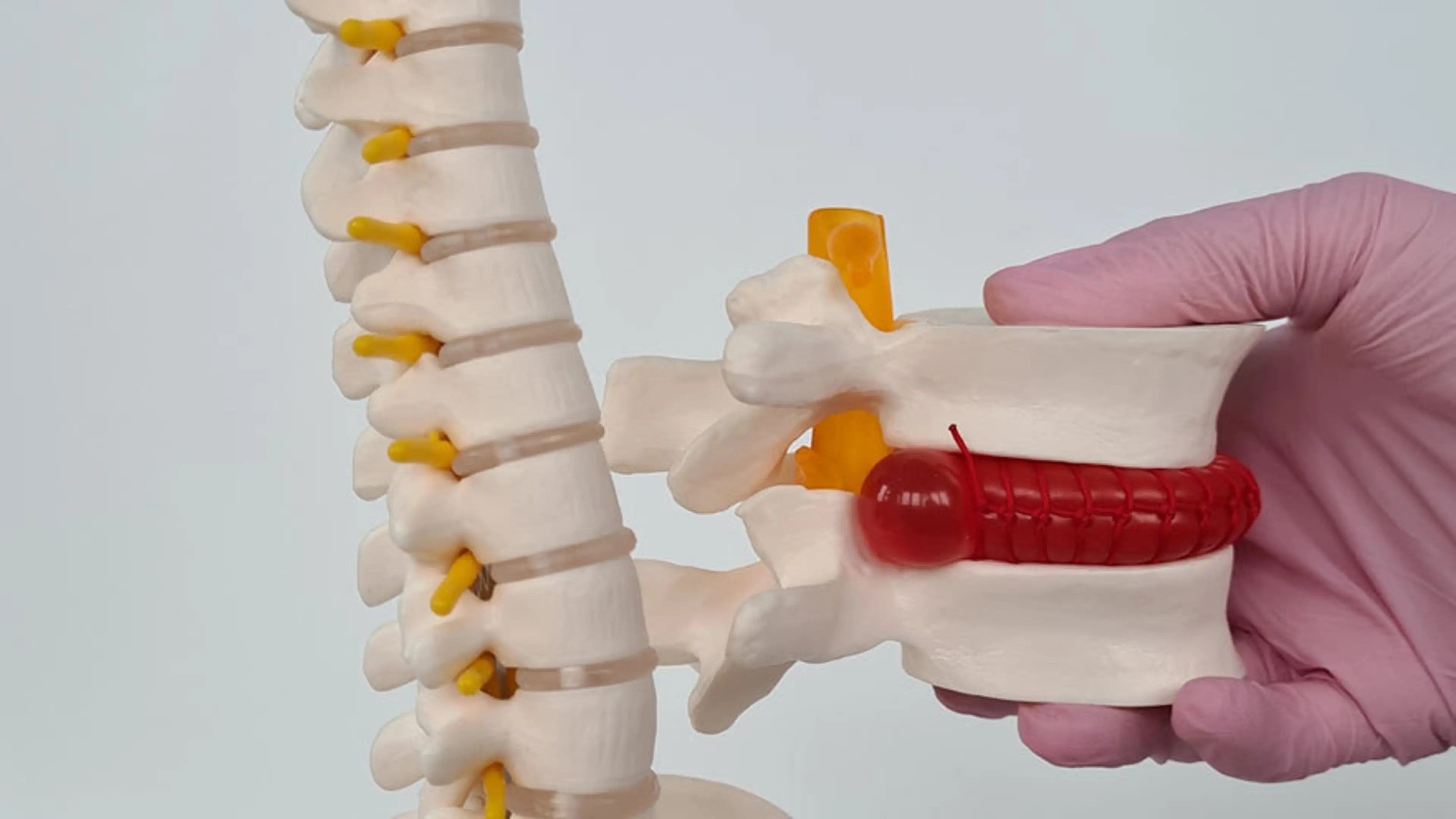
In spinal RA, stem cells may help regenerate damaged intervertebral discs, ligaments, and even spinal bones, potentially alleviating pressure on the spinal cord and nerves. This could improve mobility and reduce spinal pain associated with nerve compression.
Chronic inflammation is one of the key features of RA. Stem cells, particularly MSCs, have anti-inflammatory properties that can help modulate the immune response. MSCs secrete cytokines and growth factors that regulate the immune system and reduce inflammation. This reduction in inflammation can decrease the pain and swelling associated with RA, potentially slowing the progression of joint and spinal damage.
In addition to reducing inflammation, stem cells may help alleviate pain associated with RA. Pain is often caused by the breakdown of tissues in the joints and spine. By promoting tissue regeneration and reducing inflammation, stem cells can offer significant pain relief, which is crucial for improving the patient’s quality of life. Studies have shown that stem cell therapy can result in reduced pain scores and improved joint function in RA patients.
Spinal complications in RA can include cervical spine instability, nerve compression, and joint destruction. Stem cell therapy may help regenerate spinal tissues, such as intervertebral discs and ligaments, and reduce pressure on the spinal cord and nerves. This could improve spinal stability and alleviate symptoms such as numbness, tingling, or weakness caused by nerve compression.
There are several types of stem cells that may be used in the treatment of rheumatoid arthritis, each with distinct advantages and applications.
Mesenchymal stem cells (MSCs) are the most commonly used type of stem cell in RA treatments. MSCs can be derived from a variety of sources, including bone marrow, adipose (fat) tissue, and umbilical cord tissue. MSCs have the ability to differentiate into cartilage, bone, and muscle cells, making them ideal for repairing joint and spinal damage in RA patients. In addition to their regenerative capabilities, MSCs are known for their anti-inflammatory effects, which is particularly beneficial for autoimmune diseases like RA.
Induced pluripotent stem cells (iPSCs) are adult cells that have been genetically reprogrammed to behave like embryonic stem cells. iPSCs can differentiate into almost any type of cell, which makes them highly versatile for tissue regeneration. However, iPSCs are still in the experimental stage, and their use in RA treatment is not yet widespread. More research is needed to determine their safety and effectiveness for patients with rheumatoid arthritis.
Autologous stem cells are stem cells that are harvested from the patient’s own body. This type of stem cell therapy reduces the risk of immune rejection and complications associated with using donor-derived cells. The most common sources of autologous stem cells are bone marrow and adipose tissue. Autologous stem cells are often preferred because they are more likely to be compatible with the patient’s immune system.
Allogeneic stem cells are derived from a donor, rather than from the patient’s own body. This approach is used when autologous stem cells are not available or when a patient’s condition does not allow for the harvesting of their own stem cells. The risk of immune rejection is higher with allogeneic stem cells, and these cells often require careful matching to minimize complications.
Stem cell therapy for rheumatoid arthritis is still largely in the experimental stage, but numerous clinical trials are currently underway to assess its safety and efficacy. While stem cell treatments have not yet been widely approved for the routine treatment of RA, early results from studies show promising outcomes.
For example, some clinical trials have demonstrated that MSC injections into affected joints have led to improved joint function, reduced inflammation, and decreased pain in RA patients. Research on spinal involvement in RA is also ongoing, with trials exploring the potential for stem cells to regenerate spinal tissues, such as intervertebral discs, and improve spinal stability.
Although these early results are encouraging, more research is needed to determine the long-term safety and effectiveness of stem cell therapy for RA. This includes studying the most effective stem cell sources, treatment protocols, and delivery methods.
While stem cell therapy holds significant promise, it is important to understand both the potential benefits and the risks involved.
Stem cell therapies for RA are still considered experimental and are not yet widely approved by regulatory agencies such as the FDA (U.S. Food and Drug Administration). As a result, patients may need to participate in clinical trials to access stem cell treatments. It is crucial to work with healthcare providers who are experienced in regenerative medicine and understand the regulatory landscape.
While stem cell therapy is generally considered safe, there are some risks to be aware of. These include the potential for infection at the injection site, immune reactions, and complications from the stem cell harvesting procedure. Additionally, stem cell treatments may have unintended effects that are not yet fully understood. As with any medical treatment, it is important to weigh the risks and benefits and to undergo therapy under the supervision of a qualified healthcare provider.
Stem cell treatments can be expensive, and many insurance companies do not cover the cost of experimental therapies. Patients should consider the financial implications of stem cell therapy and whether it is a viable option for them. Costs can vary depending on the type of stem cell treatment and the clinic offering the procedure.
It is important to note that stem cell therapy is not a cure for rheumatoid arthritis. While it may help regenerate damaged tissues, reduce inflammation, and alleviate pain, ongoing management of RA will still be necessary. Patients will likely need to continue using medications and engaging in other therapeutic measures to manage the condition.
Stem cell therapy represents a promising frontier in the treatment of rheumatoid arthritis, particularly for patients who experience joint and spinal damage. The regenerative and anti-inflammatory properties of stem cells could provide relief from pain, reduce inflammation, and promote tissue repair. However, stem cell therapy for RA is still in the early stages of research, and more studies are needed to establish its long-term safety and effectiveness.
If you are considering stem cell therapy for RA, it is essential to consult with a rheumatologist or regenerative medicine specialist who can help guide you through the decision-making process. With ongoing research and clinical trials, stem cell therapy may become an increasingly viable option for RA patients seeking to improve their quality of life.