Home / Articles
Stem Cells in the Treatment of Herniated Discs
Home / Articles
Stem Cells in the Treatment of Herniated Discs
If you’ve ever experienced the sharp, radiating pain of a herniated disc, you know how disruptive it can be. Sitting, standing, or even sleeping becomes difficult. Many patients tell us, “It feels like my back controls my life.” At Seoul Yes Hospital, we see this every day — young professionals with desk jobs, parents lifting children, athletes pushing their limits, and older adults dealing with years of wear and tear.
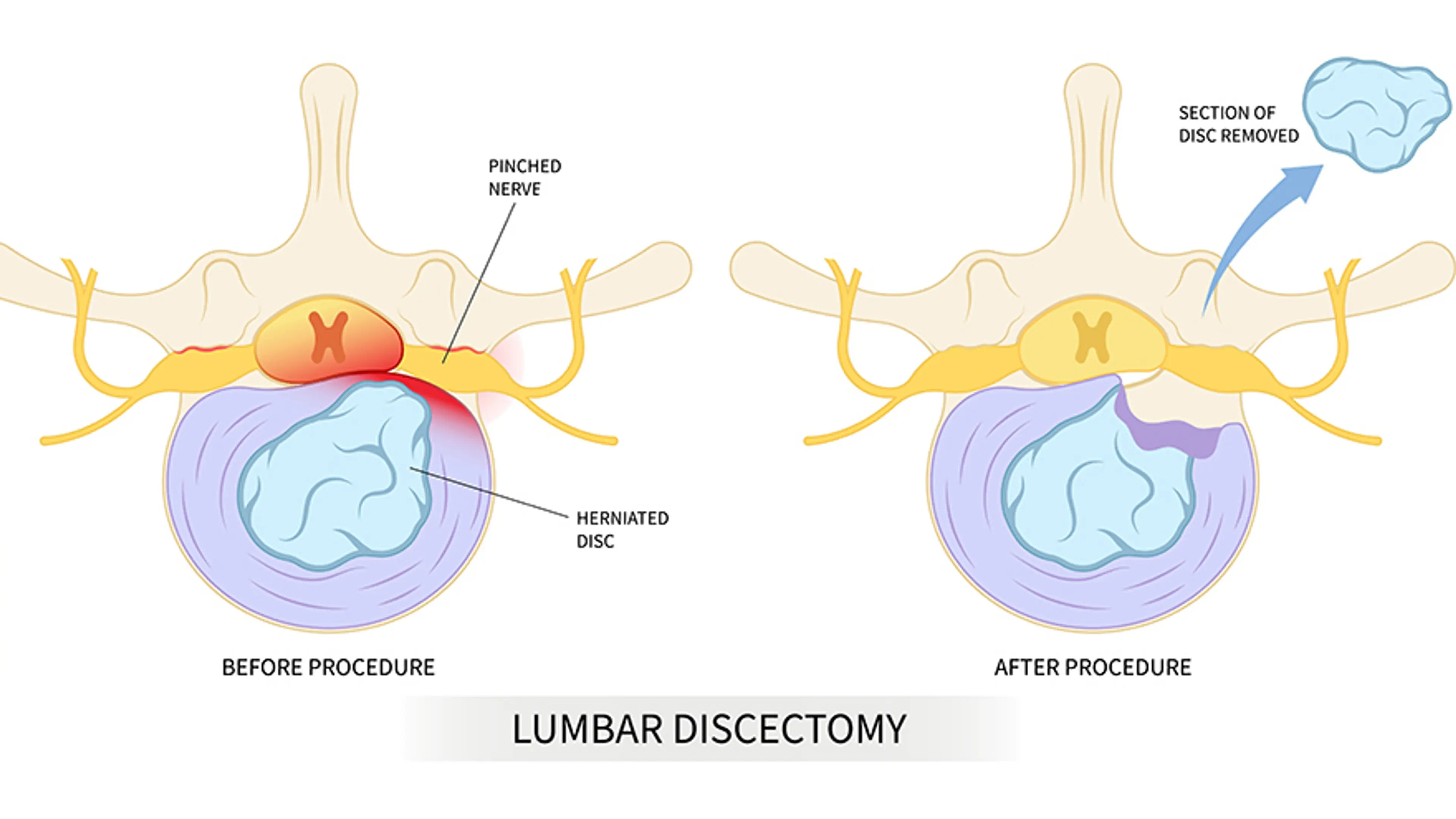
Think of your spine like a stack of cushions. Each vertebra is separated by a disc — a soft, gel-filled structure that acts as a shock absorber. When the outer layer of a disc weakens or tears, the inner gel can push out, irritating nearby nerves. That’s what we call a herniated disc (or slipped disc).
Common symptoms include:
Shooting pain down the legs (sciatica)
Numbness or tingling
Muscle weakness
Stiffness or limited mobility
In Korea, the prevalence of herniated discs is high, particularly among people in their 30s–50s who spend long hours sitting at computers. Many patients hope to avoid surgery but feel stuck when conservative methods fail. This is where stem cell therapy enters the picture.
Most conventional treatments focus on controlling pain or stabilizing the spine. For example:
Stimulate regeneration of disc tissue
Restore hydration and cushioning
Reduce inflammation around nerve roots
Potentially slow or reverse degeneration
It’s like sending skilled repair workers into a damaged building — instead of just patching the leaks, they rebuild the structure from within.
At Seoul Yes Hospital, our approach is both science-driven and patient-centered. Here’s what the process typically looks like:
Our team has special expertise in immune and NK (natural killer) cell therapies, which allows us to tailor the treatment for safety and effectiveness.
Based on our clinical experience, stem cell therapy may be especially helpful for:
Active individuals who value spine flexibility and function
It’s important to note: stem cell therapy is not a magic bullet. For patients with advanced disc collapse or spinal instability, surgery may still be necessary. But for the right patient, regenerative therapy can bridge the gap between pain management and invasive surgery.
Recent studies have shown encouraging results. Clinical trials suggest that stem cell injections can improve pain scores, enhance disc hydration on MRI, and reduce reliance on pain medications. Countries like the U.S., Japan, and Korea are actively researching standardized protocols.
However, the field is still evolving. Outcomes vary, and long-term data is being collected. That’s why choosing an experienced center — with both regenerative expertise and spine care specialization — is crucial.
Here’s what we often notice at Seoul Yes Hospital:
Many patients come to us after years of relying on painkillers, frustrated that nothing has changed.
For some, even small improvements (like sitting through a movie without pain) feel life-changing.
At Seoul Yes Hospital, our mission is to bring these innovations responsibly to patients, balancing hope with honest guidance.
If you’re struggling with a herniated disc, here are some questions to reflect on:
Are you tired of relying on short-term pain relief?
Do you want to avoid surgery if possible?
Is your disc damage at a stage where regeneration is feasible?
If the answer is yes, it may be worth exploring stem cell therapy at a specialized hospital. With careful assessment, transparent expectations, and expert care, it can offer a path toward healing that feels less like compromise and more like renewal.
Herniated discs can steal your energy, your focus, and your joy. But you don’t have to accept pain as your “new normal.” Whether through regenerative cell therapy, minimally invasive interventions, or personalized rehabilitation, there are modern solutions designed to restore not just your spine — but your lifestyle.