Introduction
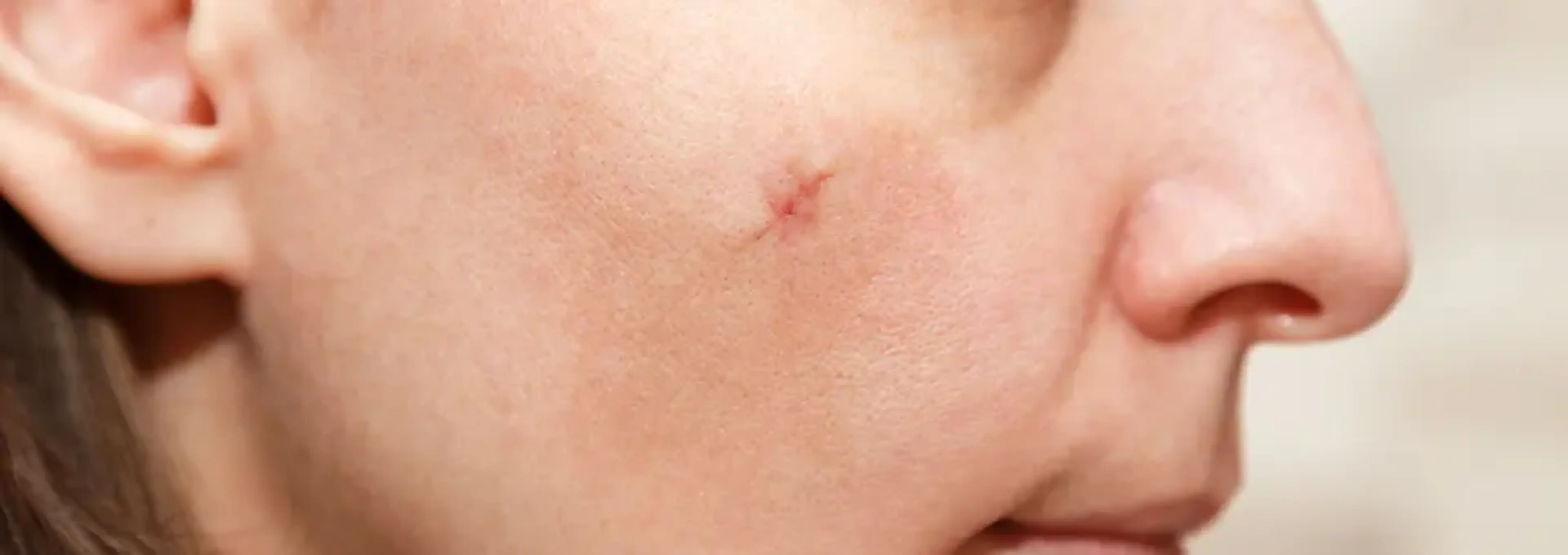
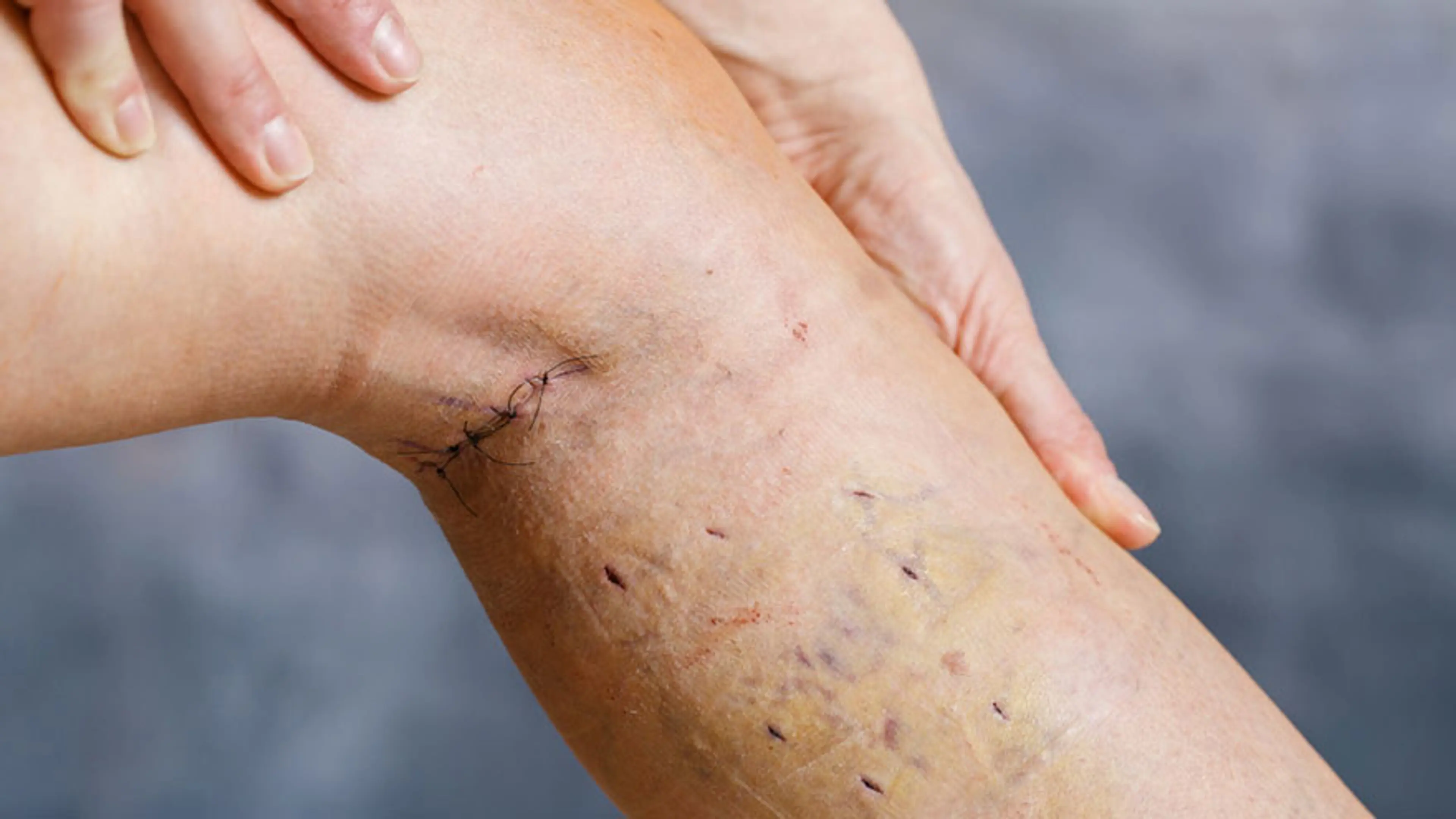
introduction:-the-real-concern-behind-fat-graftingIf you’ve ever had surgery, you already know: the operation may fix one problem, but the healing process can sometimes create another. Scar tissue, or fibrosis, is the body’s natural attempt to repair itself. But unlike healthy tissue, scar tissue is stiff, less elastic, and often painful.
We frequently meet patients who share experiences like these:
“My joint feels tight no matter how much I stretch.”
“The pain didn’t disappear after the surgery—it just changed.”
“I thought healing would restore function, but I feel restricted.”
To be honest, this is more common than most people realize. Internally, scar tissue can form after orthopedic surgeries such as joint replacements, spine operations, or tendon repairs. It can also occur in abdominal and gynecological surgeries. Once established, scar tissue may limit motion, irritate nerves, or contribute to chronic discomfort.
This is why regenerative medicine—especially stem cell therapy—is attracting so much attention. It’s not just about symptom control but about supporting the body’s ability to heal in a more natural and functional way.
What Makes Stem Cells Different from Traditional Treatments?
what-makes-stem-cells-different-from-traditional-treatmentsConventional options for scar tissue remain limited. Doctors may recommend:
Physical therapy to improve mobility and stretch adhesions
Steroid injections to reduce inflammation and pain
Surgical revision to remove or release scar tissue (though this often creates more scars in the process)
While these approaches can bring temporary relief, they don’t fundamentally change the biology of the scar. Scar tissue is mostly dense collagen with fewer blood vessels and no specialized cells—it’s like trying to patch a broken machine with duct tape instead of repairing the actual parts.
Stem cells, particularly mesenchymal stem cells (MSCs), work differently. They don’t simply replace tissue. Instead, they act like skilled gardeners:
Restoring balance in the cellular environment
Reducing harmful inflammation
Encouraging blood vessel growth
Supporting regeneration of more normal, elastic tissue
In short, stem cells don’t just cut away the problem—they help rebuild the ecosystem that allows true healing.
How Stem Cells Work Against Scar Tissue
how-stem-cells-work-against-scar-tissue
At Seoul Yes Hospital, we explain to patients that stem cells are not a magic bullet. Instead, they work through biological processes that science has been steadily uncovering. Here are the most important mechanisms:
Anti-Inflammatory Action
Scar tissue often develops in an environment of chronic irritation. Stem cells release cytokines that calm inflammation, reducing swelling and pain in the surrounding area.
Remodeling Fibrosis
MSCs secrete enzymes such as matrix metalloproteinases (MMPs), which can gradually soften dense collagen, helping the tissue become more flexible and less restrictive.
Stimulating Angiogenesis (New Blood Vessel Formation)
A key reason scar tissue feels tight is poor circulation. Stem cells release vascular endothelial growth factor (VEGF), promoting new microvessels that improve oxygen and nutrient delivery.
Pain Modulation
In addition to structural effects, stem cells influence local nerve pathways, often leading patients to report pain reduction even before tissue changes are visible.
Recruiting Native Healing Cells
Stem cells act like “signal boosters,” attracting the body’s own repair cells to the site of injury, amplifying the healing response.
Real-World Applications We See in Korea
real-world-applications-we-see-in-koreaAt Seoul Yes Hospital, we’ve seen firsthand how stem cells can change the trajectory of recovery.
Knee Replacement Patients
Many expect their stiffness to resolve quickly, but months later, some still struggle with limited range of motion. Stem cell injections can help soften post-surgical adhesions and support smoother movement.
Spinal Surgery Patients
Scar tissue around the spinal nerves—known as epidural fibrosis—can cause persistent back or leg pain. Instead of undergoing risky reoperation, regenerative injections can target these adhesions more safely.
Sports Injury Repairs
After ACL reconstruction or rotator cuff surgery, scar tissue sometimes forms excessively, hindering performance. Stem cells can reduce fibrosis and help athletes return to play with more natural mobility.
In Korea, where many patients prefer non-surgical solutions, stem cell therapy offers a valuable middle ground—scientifically advanced, minimally invasive, and aligned with the cultural emphasis on preserving long-term health.
What the Research Says
what-the-research-saysWhile stem cell therapy is still a developing field, the evidence is growing stronger each year.
Animal Studies have shown that MSCs reduce fibrotic scar formation in tendons, ligaments, and spinal tissue.
Human Trials in orthopedic and reconstructive surgery settings have demonstrated improvements in pain scores, range of motion, and quality of scar tissue.
A 2020 review in Stem Cells Translational Medicine highlighted the potential of stem cells to both prevent and treat surgical adhesions by modifying the inflammatory environment.
In spine research, studies report that MSCs reduce epidural fibrosis, leading to better patient function and reduced nerve-related pain.
While large, multi-center randomized trials are still needed, the trend is clear: regenerative therapy doesn’t just mask symptoms—it actively improves the quality of healing tissue.
Why Choose a Specialized Hospital for Stem Cell Treatment?
why-choose-a-specialized-hospital-for-stem-cell-treatment
Stem cell therapy is not a one-size-fits-all solution. Success depends on multiple factors:
Precise Patient Selection
Not every case of scar tissue responds equally. A specialist must evaluate the type of surgery, the extent of fibrosis, and the patient’s overall health.
Quality and Handling of Cells
The effectiveness of treatment depends heavily on the viability and purity of the stem cells, as well as the precision of their delivery.
Multidisciplinary Integration
Stem cell therapy works best when paired with rehabilitation, nutrition, and patient education. Think of it as laying new foundations while also training the body to use them properly.
At Seoul Yes Hospital, we bring together a team of 16 specialists—including orthopedic surgeons, regenerative medicine experts, and rehabilitation doctors. This ensures that patients receive not only advanced cell-based care but also a personalized recovery plan.
What Patients Should Consider Before Treatment
what-patients-should-consider-before-treatmentIf you’re wondering whether stem cell therapy could help with post-surgical scar tissue, ask yourself:
Has my pain or stiffness lasted longer than the normal recovery window?
Have I tried conventional treatments (rehab, injections, medication) without sufficient improvement?
Am I looking for a solution that supports true healing, rather than another round of surgery?
It’s also important to discuss your goals with a specialist. For some patients, the main aim is pain relief. For others, it’s regaining flexibility, athletic performance, or simply being able to move without restriction in daily life.
Frequently Asked Questions (FAQs)
frequently-asked-questions-(faqs)Is stem cell therapy safe?
Clinical studies have shown a strong safety profile when performed by experienced teams. Because the treatment is minimally invasive, risks are generally lower than repeat surgery.
How long does it take to see results?
Many patients notice pain relief within weeks, while tissue remodeling can take months. Improvements often continue for 6–12 months as the healing process unfolds.
Will I need repeat treatments?
Some patients benefit from a single round, while others may require staged injections depending on severity. Your doctor will guide you based on your progress.
Does insurance cover it?
In Korea, coverage depends on the indication and type of stem cell therapy. Our hospital provides transparent consultations so patients can plan with clarity.
Closing Thoughts: From Scar to Renewal
closing-thoughts:-from-scar-to-renewalScar tissue is a reminder that the body always tries to heal—but sometimes the process needs fine-tuning. Stem cells provide a unique way to shift healing from stiffness to restoration, from limitation to renewed function.
At Seoul Yes Hospital, our mission is to help patients move beyond pain and into renewed freedom of movement. Healing shouldn’t just mean “no longer broken.” It should mean living fully, without the constant reminder of past surgeries.
If scar tissue is affecting your lifestyle, it may be time to explore regenerative solutions at a specialized center like ours in Suji-gu, Yongin-si. With the right guidance and advanced care, the path from scar to renewal is closer than you think.