Introduction: A New Era for Knee Pain Relief
introduction:-a-new-era-for-knee-pain-reliefKnee pain can be relentless. Whether it stems from sports injuries, aging joints, or degenerative conditions like osteoarthritis, many people find themselves stuck between ineffective conservative treatments and the intimidating prospect of surgery. In fact, over 10% of the global adult population experiences chronic knee pain, with rates even higher in aging populations like Korea.
Today, thanks to advances in regenerative medicine, there is a compelling new option on the table: stem cell therapy. Rather than replacing the damaged joint outright, stem cell treatments aim to preserve and heal the native structures of the knee, offering hope to patients who want to delay or avoid surgery.
At Seoul Yes Hospital, we guide patients through a personalized treatment path that includes both non-surgical regenerative therapies and surgical options when necessary. This article outlines the two main approaches to knee pain in 2025: stem cell therapy and surgery, helping you understand when and why each path might be right for you.
Understanding the Knee Pain Landscape
understanding-the-knee-pain-landscapeThe Reality of Knee Degeneration
the-reality-of-knee-degenerationYour knee is one of the most complex and heavily used joints in your body. Over time, cartilage wears down, ligaments can weaken, and inflammation can set in. While this process is gradual, certain factors accelerate degeneration:
Age: Natural aging leads to cartilage thinning and decreased joint lubrication.
Activity: High-impact sports or repetitive stress from occupation can damage joint tissues.
Weight: Excess weight increases stress on the knee, speeding up wear.
Injury history: Previous trauma to the knee often leads to early-onset osteoarthritis.
In Korea, the rise of an aging society combined with a growing interest in active lifestyles has led to more people seeking treatment for joint problems earlier in life. These patients want to remain mobile and independent without relying on long-term painkillers or invasive surgery.
Why Treatment Decisions Matter
why-treatment-decisions-matterKorea's healthcare culture strongly favors non-invasive care. Many patients are hesitant to jump straight to joint replacement unless absolutely necessary. However, waiting too long or relying solely on symptomatic relief can worsen joint degeneration. That’s why a tailored approach—grounded in accurate diagnosis, long-term thinking, and clear goals—is essential.
Option 1: Knee Surgery (Joint Replacement)
option-1:-knee-surgery-(joint-replacement)What It Is
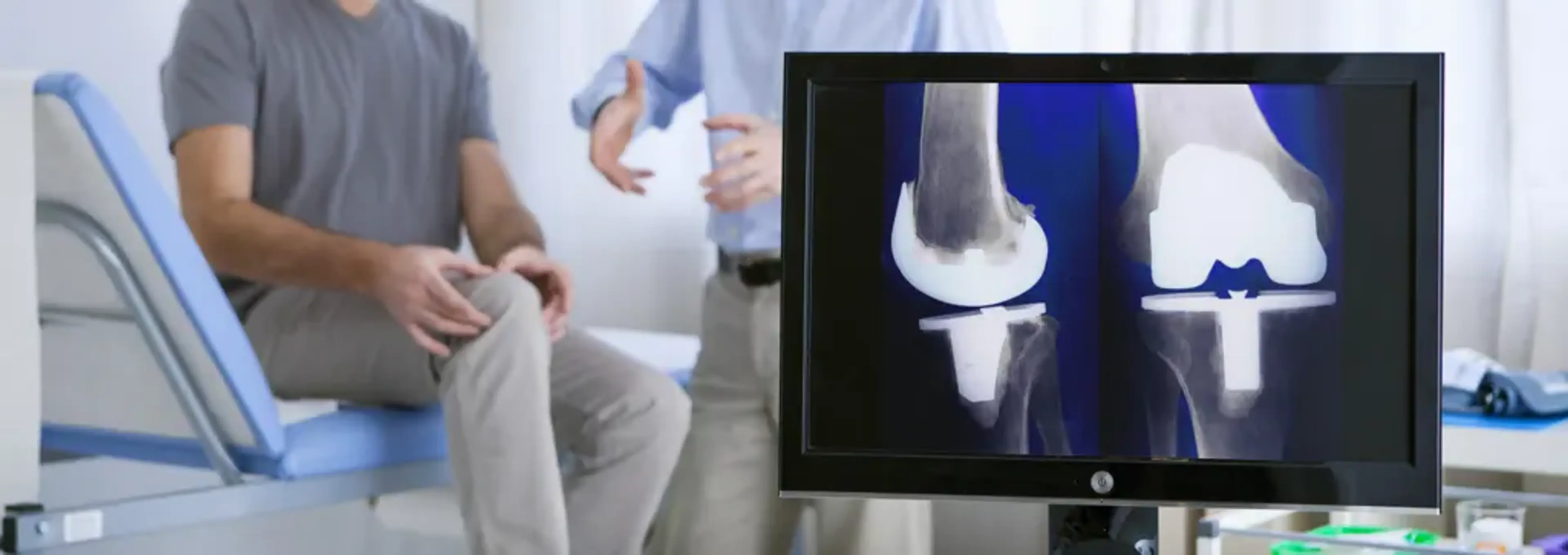
what-it-isKnee replacement surgery, particularly Total Knee Arthroplasty (TKA), involves removing the damaged cartilage and bone from the surface of the knee joint and replacing them with metal and plastic implants. Partial knee replacements are available for patients whose damage is confined to one compartment of the knee.
Advanced surgical techniques now allow for:
Robotic-assisted alignment
Minimally invasive incisions
Faster postoperative recovery
Benefits
benefitsProven effectiveness: Decades of clinical evidence show that 80–90% of patients report substantial pain relief and improved mobility post-surgery.
High durability: Many implants last 10–20+ years, especially when matched to the right patient profile.
Restoration of function: For patients with severe joint damage, surgery can restore independence and daily activity.
Considerations
considerationsMajor surgical procedure: Hospitalization, anesthesia, and several weeks of rehabilitation are required.
Postoperative pain and limitations: Some patients may still experience stiffness or discomfort.
Not ideal for younger, active patients: The lifespan of the implant may not match their activity level, leading to potential revisions.
When It's Recommended
when-it's-recommendedAt Seoul Yes Hospital, we typically recommend surgery when:
Joint degeneration is severe (bone-on-bone contact, major deformity).
Non-surgical options have been exhausted or are unlikely to provide sufficient benefit.
The patient is physically fit and understands the recovery process and implant longevity.
Option 2: Stem Cell Therapy (Regenerative Medicine)
option-2:-stem-cell-therapy-(regenerative-medicine)
What It Is
what-it-isStem cell therapy involves harvesting mesenchymal stem cells (MSCs) from the patient’s own body—typically from bone marrow or adipose (fat) tissue—and injecting them into the knee joint. These cells have anti-inflammatory and regenerative properties, helping to:
This therapy is often combined with platelet-rich plasma (PRP) or hyaluronic acid to enhance the healing environment.
Benefits
benefitsMinimally invasive: No cutting or implants involved; performed as an outpatient procedure.
Preserves native joint: Aims to restore natural joint function, especially useful for early-to-mid-stage damage.
Low downtime: Most patients resume light activities within days, with gradual improvements over 3–6 months.
Limitations
limitationsVariable evidence quality: While many clinical trials report positive outcomes, the methodology, cell source, and dosing differ widely.
Not suitable for end-stage arthritis: Patients with full cartilage loss or joint deformity may not benefit significantly.
Cost and insurance: Stem cell treatments are often not covered by insurance and may require multiple sessions.
Results take time: Pain and function improvements are gradual, often becoming more noticeable after 2–6 months.
When It's Recommended
when-it's-recommendedAt Seoul Yes Hospital, we recommend stem cell therapy when:
The knee shows early to moderate degeneration (Kellgren-Lawrence grade I-III).
The patient wants to avoid or delay surgery.
Imaging shows preserved joint space and viable cartilage.
The patient is committed to rehabilitation and follow-up.
Side-by-Side Comparison: Stem Cells vs. Surgery
side-by-side-comparison:-stem-cells-vs.-surgeryFactor | Stem Cell Therapy | Knee Surgery |
|---|
Invasiveness | Minimally invasive | Major procedure |
Ideal for | Early/moderate damage | Advanced damage |
Recovery Time | Short (days to weeks) | Long (weeks to months) |
Goal | Repair/preserve joint | Replace joint |
Evidence | Promising but evolving | Strong and well-established |
Risks | Low, mostly local injection risks | Higher (surgical risks, infection, blood clots) |
Cost | Higher out-of-pocket, limited coverage | Partially/fully covered under insurance |
Longevity | Unknown long-term durability | 10–20+ years with possible revision |
How We Decide at Seoul Yes Hospital
how-we-decide-at-seoul-yes-hospital1. Comprehensive Evaluation
1.-comprehensive-evaluationWe start with detailed imaging (X-rays, MRI), a physical exam, and a full history to understand your pain, joint structure, and degeneration level.
2. Staging the Degeneration
2.-staging-the-degenerationWe assess cartilage condition, joint space, inflammation, and alignment. Mild to moderate damage responds best to regenerative treatments.
3. Patient Goals and Lifestyle
3.-patient-goals-and-lifestyleA 70-year-old wanting to walk pain-free has different needs than a 40-year-old marathoner. We tailor treatment to your goals.
4. Optimizing the Joint Environment
4.-optimizing-the-joint-environmentFor regenerative treatments to succeed, we address weight management, muscle strength, inflammation, and joint load.
5. Setting Realistic Expectations
5.-setting-realistic-expectationsWe clarify that stem cell therapy won’t "regrow" an entire joint but can significantly reduce pain and improve function in the right cases. Surgery, while effective, is not a perfect solution.
6. Monitoring and Reassessment
6.-monitoring-and-reassessmentPatients receiving cell therapy are monitored at 1, 3, and 6 months. If results fall short, we discuss alternative options like surgery or additional therapy.
What the Research Says (2025 Update)
what-the-research-says-(2025-update)
Stem Cell Therapy
stem-cell-therapyA 2025 meta-analysis (502 patients) showed significant improvements in pain (VAS scores) and function (WOMAC index) at 6 and 12 months post-injection.
Effective in patients with Kellgren-Lawrence grade I-III arthritis.
Favorable safety profile, with minimal complications reported.
Long-term (5–10 year) data still limited but evolving.
Surgery
surgeryOver 600,000 knee replacements are performed annually worldwide.
Satisfaction rates range from 80–90%.
Implant survival is 90% at 10 years and 80% at 20 years.
Robotic assistance and improved prosthetic designs are enhancing outcomes further.
Looking Ahead: The Future of Knee Pain Treatment
looking-ahead:-the-future-of-knee-pain-treatmentEarlier Interventions: More patients are exploring treatment before cartilage loss becomes irreversible.
Hybrid Approaches: Some cases combine alignment correction (e.g., high tibial osteotomy) with cell therapy.
Improved Standardization: Future cell therapy protocols will likely become more regulated and evidence-based.
Precision Medicine: Biomarkers, genetic profiling, and advanced imaging will tailor treatment even more precisely.
Minimally Invasive Surgery: Enhanced surgical tools and techniques reduce recovery time and improve outcomes.
Insurance Evolution: As regenerative therapy becomes more accepted, coverage is expected to expand in Korea and globally.
Final Guidance: What Should You Do?
final-guidance:-what-should-you-doIf you’re dealing with chronic knee pain:
Don’t wait too long. Early intervention often prevents irreversible joint damage.
Get a thorough evaluation. Look beyond simple X-rays. MRI, physical alignment, and lifestyle matter.
Clarify your goals. Whether it’s pain-free walking, sports participation, or avoiding surgery, your goal shapes the plan.
Start with conservative and regenerative care. These options often work best before degeneration becomes severe.
Prepare financially. Understand the cost of stem cell therapy versus surgical alternatives.
Stay flexible. Be open to adapting your treatment path if progress stalls.
Choose an experienced center. Success in regenerative or surgical care depends heavily on skill, teamwork, and follow-up.
Why Choose Seoul Yes Hospital?
why-choose-seoul-yes-hospitalWe are a leading center for regenerative joint care in Korea. Our multidisciplinary team includes specialists in:
Orthopedics and musculoskeletal pain
Immunology and cell therapy
Diagnostic imaging and physical rehabilitation
At Seoul Yes Hospital, we offer:
Personalized joint preservation plans
State-of-the-art stem cell and PRP therapies
Expert surgical consultation when necessary
Comprehensive post-treatment monitoring
If knee pain is limiting your quality of life, it might be time to explore regenerative care options before surgery becomes the only choice. Let’s walk that path together — one step at a time.